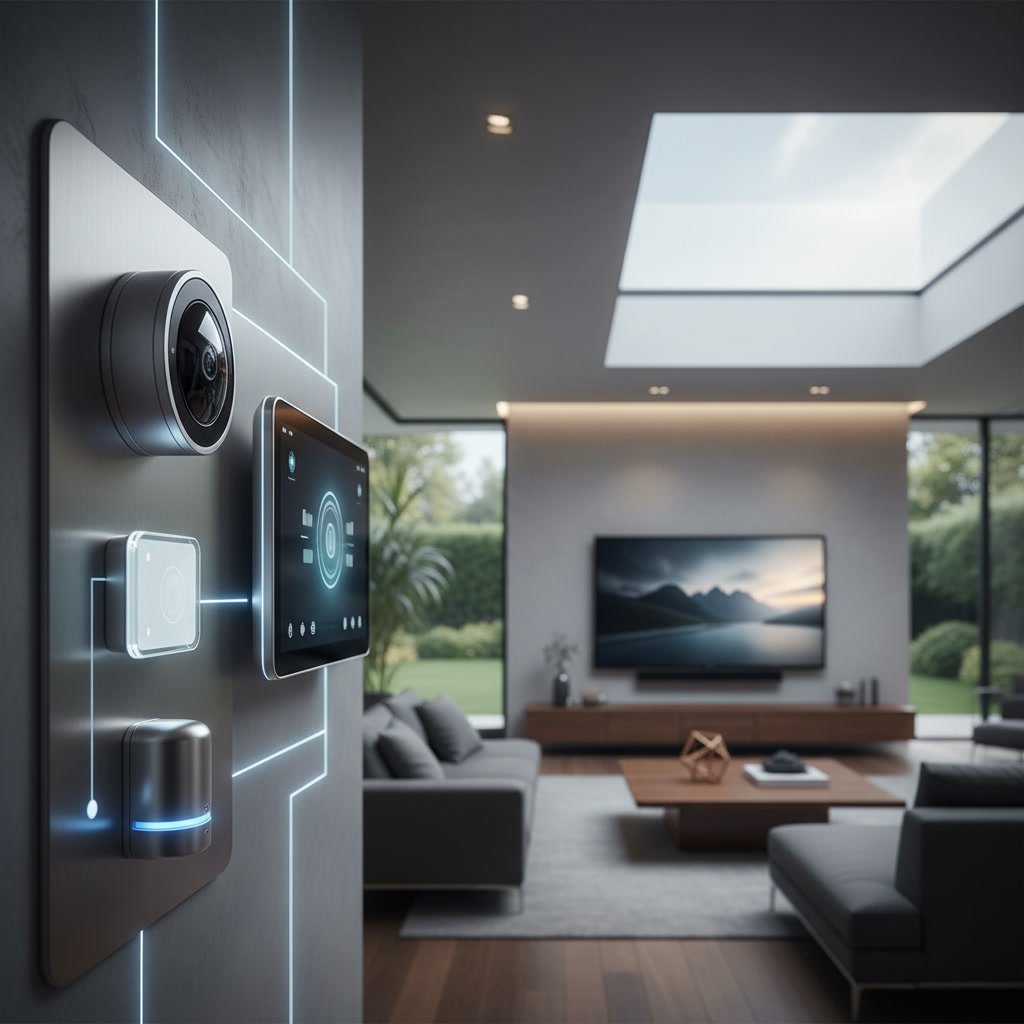
Modern smart home security systems unify cameras, motion sensors, door and window contacts, glass break detectors, and alarms into a single platform that communicates in real time. Instead of managing separate devices with different apps and interfaces, integrated systems let you monitor, control, and automate your entire security setup from one dashboard. This integration reduces false alarms, improves response times, and provides a complete picture of what’s happening in and around your property.
Why Traditional Security Components Work in Silos
Older security setups often rely on standalone devices that don’t share information. A doorbell camera records footage to its own cloud storage, motion sensors trigger a local alarm panel, and window contacts send notifications through a separate app. When an event occurs, you have to check multiple sources to understand what happened. This fragmented approach creates blind spots because no single system knows what the others are detecting.
Standalone devices also lack context. A motion sensor might detect movement in your backyard, but without camera verification, you can’t tell if it’s a person, an animal, or a branch swaying in the wind. This leads to alert fatigue, where homeowners ignore notifications because most turn out to be false alarms. Without integration, your security hardware can’t learn from patterns or coordinate responses.
The Central Hub That Connects Everything
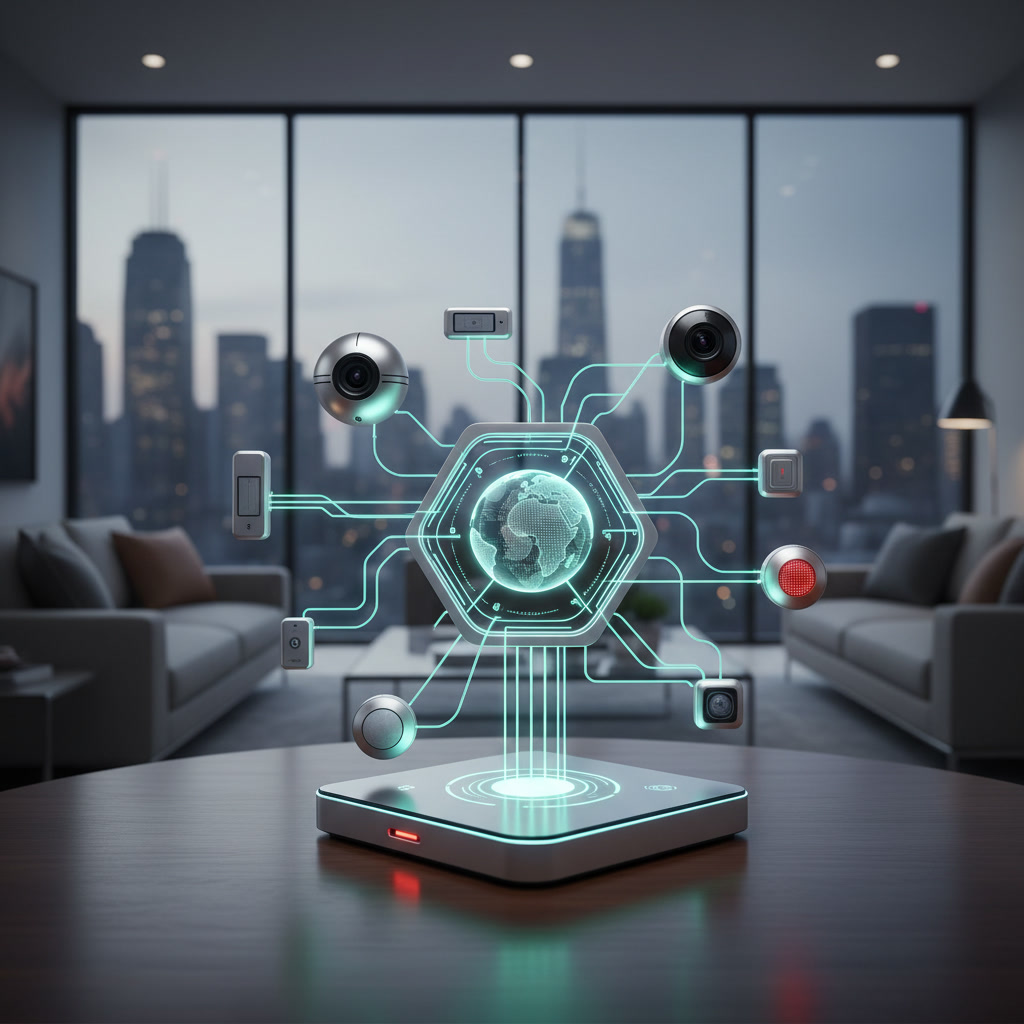
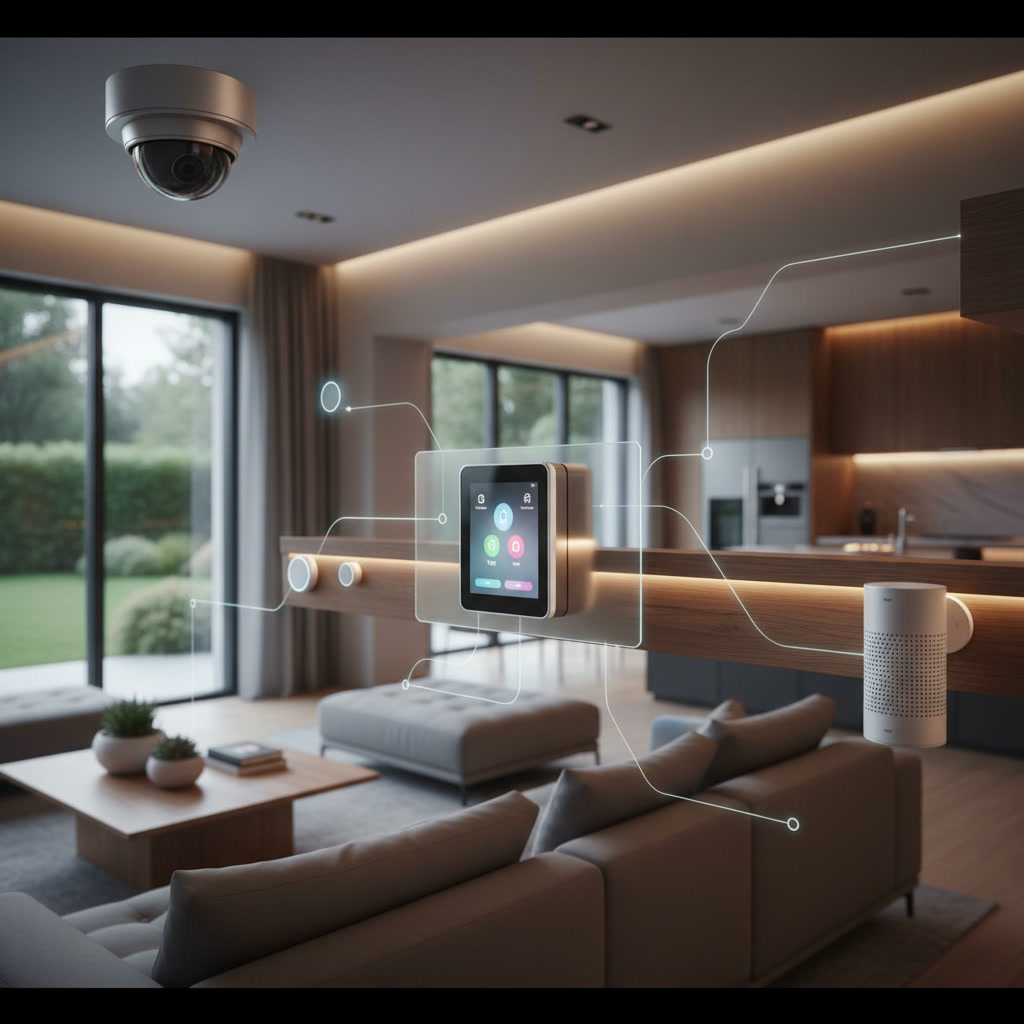
Integrated platforms use a central hub or controller that acts as the brain of your security system. This hub communicates with every device using standard protocols like Z-Wave, Zigbee, or Wi-Fi. When a door sensor detects an opening, it sends a signal to the hub. The hub then checks the system status, verifies whether the alarm is armed, cross-references camera footage, and decides whether to trigger an alarm or send a notification.
The hub maintains a unified event log that timestamps every sensor activation, camera detection, and alarm trigger. This creates a chronological record you can review to understand exactly what happened and when. Professional security installation ensures your hub is configured correctly and positioned to maintain reliable communication with all devices throughout your home.
How Cameras Verify Sensor Alerts in Real Time
Integration allows cameras to automatically respond when sensors detect activity. If a motion sensor in your driveway activates at 2 a.m., the system can instantly pull up the corresponding camera feed and start recording. Some platforms use AI-powered video analytics to distinguish between people, vehicles, animals, and objects, then filter alerts based on what you care about.
This verification step dramatically reduces false alarms. Instead of sounding an alarm every time a sensor triggers, the system checks the camera first. If the video shows a delivery driver, the system sends a notification. If it shows an unknown person attempting to open a window, it triggers the alarm and alerts your monitoring service. This context-aware response makes your security more accurate and less intrusive.
Smart Automation Rules That Adapt to Your Routines
Integrated systems let you create automation rules that coordinate multiple devices based on conditions you define. When you arm the system at night, cameras can switch to infrared mode, motion sensors can increase sensitivity, and door contacts can trigger instant alarms rather than entry delays. When you disarm in the morning, outdoor cameras can send a snapshot to your phone showing who’s at the front door.
Geofencing takes automation further by using your smartphone’s location to trigger actions. When the last family member leaves home, the system arms automatically, locks smart locks, and adjusts camera recording modes. When the first person returns, it disarms the perimeter sensors but keeps interior motion detectors active in case someone entered while you were away. These rules eliminate the risk of forgetting to arm your system and adapt security settings to match your actual behavior.
Mesa Homeowners Benefit from Unified Mobile Access
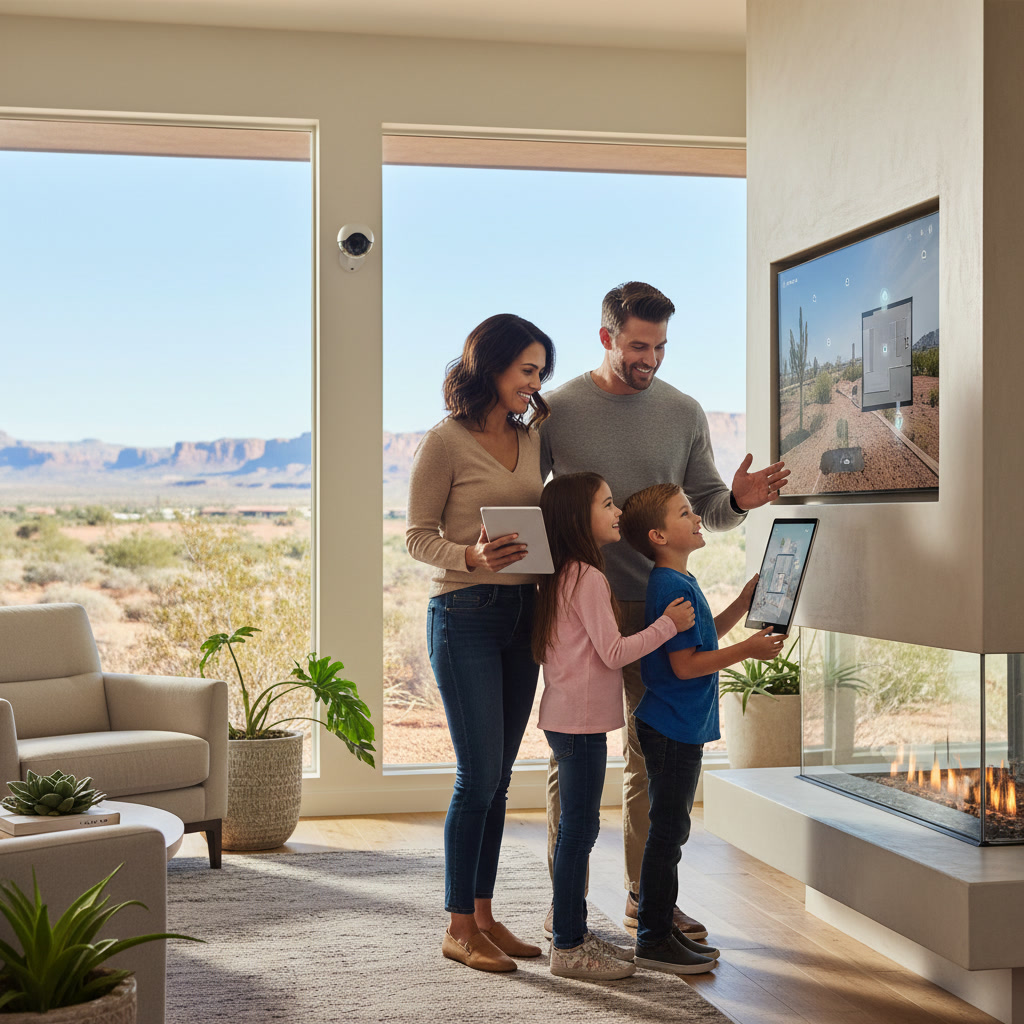
A single mobile app gives you control over every component of your security system from anywhere. You can view live camera feeds, check sensor status, arm or disarm zones, and review alert history without switching between apps. If you receive an alert while at work, you can open the app, view the relevant camera, and verify the situation in seconds.
The app also provides quick access to emergency features. Many platforms include panic buttons that instantly trigger alarms and notify monitoring services. Some integrate with local emergency contacts, sending alerts to neighbors or family members when specific events occur. For residents in Mesa and surrounding areas, this unified mobile access means you stay connected to your home’s security no matter where you are.
Professional Monitoring Services That Receive Rich Context
When your system connects to a professional monitoring service, integration provides responders with much more information than traditional alarms. Instead of just knowing that an alarm triggered, monitoring centers receive the type of sensor that activated, the camera feed from that location, and a timeline of events leading up to the alert. This context helps them assess the threat level and dispatch appropriate resources.
Some systems send video clips or still images directly to monitoring centers within seconds of an alarm. This visual confirmation allows operators to verify break-ins before contacting police, reducing false alarm fines and improving response times. The monitoring service can also communicate back through your system, using two-way audio on cameras or triggering specific lighting patterns to deter intruders.
Network Infrastructure Requirements for Reliable Integration
Integrated security systems depend on strong, consistent network connectivity. Cameras streaming high-definition video, sensors sending constant status updates, and mobile apps requesting live feeds all generate significant network traffic. A weak or congested network causes delays in alerts, interrupts live viewing, and can prevent devices from communicating with the hub.
Professional wifi network solutions ensure your security system has the bandwidth and coverage it needs. This typically involves enterprise-grade access points positioned to eliminate dead zones, separate network segments for security devices, and quality-of-service settings that prioritize security traffic over streaming entertainment. Wired connections for cameras in critical locations provide additional reliability that wireless setups can’t match.
Integration with Broader Smart Home Ecosystems
Security platforms that integrate with other smart home systems create powerful layered responses. When the alarm triggers, smart lights can turn on throughout the house and outdoors, window shades can open to make the interior visible from outside, and door locks can engage automatically. These coordinated actions make your home less appealing to intruders and provide better visibility for cameras.
Voice assistants like Alexa and Google Assistant can interface with integrated security systems, letting you check status, view cameras on smart displays, or arm the system with voice commands. However, professional installers typically disable voice disarming features to prevent unauthorized access. Smart home integration works best when security remains the priority and convenience features are added thoughtfully around it.
Comparing Cloud-Based and Local Processing Platforms
Cloud-based platforms process events and store footage on remote servers. This approach offers unlimited storage, access from anywhere with internet, and regular feature updates pushed automatically. The tradeoff is dependency on internet connectivity and ongoing subscription costs. If your connection drops, the system may not send alerts or record footage until service restores.
Local processing platforms use on-site hardware to analyze events and store recordings. These systems continue functioning during internet outages, keep your footage private on your property, and often have lower long-term costs. The limitation is finite storage capacity and the need to access footage from your local network unless you configure remote access. Many homeowners choose hybrid systems that process locally but back up critical footage to the cloud for redundancy.
Expert Installation Ensures Proper Device Placement and Configuration
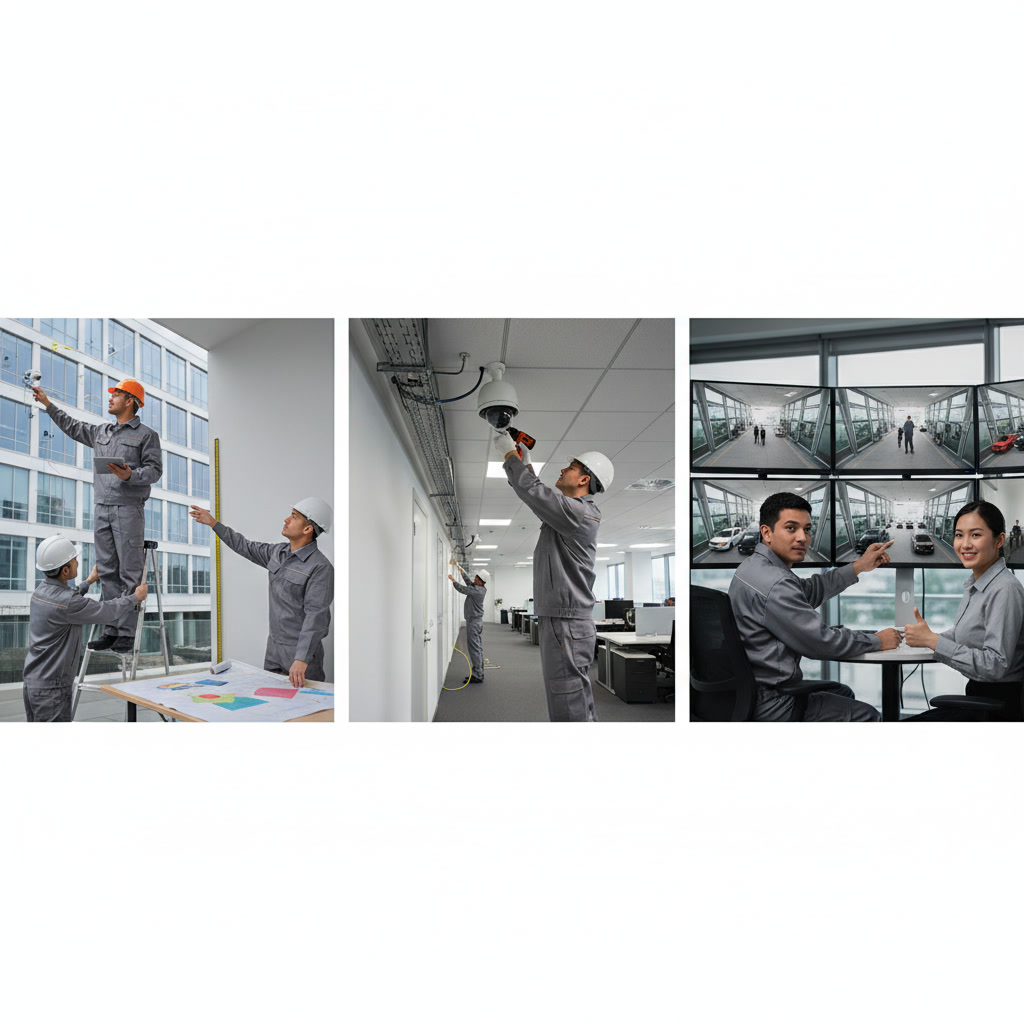
While some security systems market themselves as DIY-friendly, professional installation delivers significantly better results. Installers understand camera field-of-view calculations, sensor detection patterns, and wireless signal propagation. They position cameras to eliminate blind spots, place motion sensors at the correct height and angle, and configure settings to match your specific layout and usage patterns.
Professional installers also handle the network configuration that DIY systems overlook. This includes creating VLANs to isolate security devices, configuring firewalls to prevent unauthorized access, and setting up local recording with cloud backup. They test every device under real-world conditions, verify alert delivery times, and document the system configuration for future reference. These details make the difference between a security system that works and one that provides real protection.
Your Next Step Toward Comprehensive Home Protection
Integrated security platforms transform disconnected devices into a coordinated system that provides better protection with less hassle. By unifying cameras, sensors, and alarms under one platform, you gain complete visibility, faster response times, and automation that adapts to your life. The right system depends on your home’s layout, your security priorities, and how you want to interact with the technology.
Pro Home Entertainment LLC designs and installs integrated security systems throughout the Phoenix metropolitan area that bring together every component into a reliable, easy-to-use platform. Our team handles everything from network infrastructure and device placement to custom automation rules and professional monitoring integration. Contact us at +12068194038 to schedule a consultation and learn how an integrated approach to security can protect what matters most.