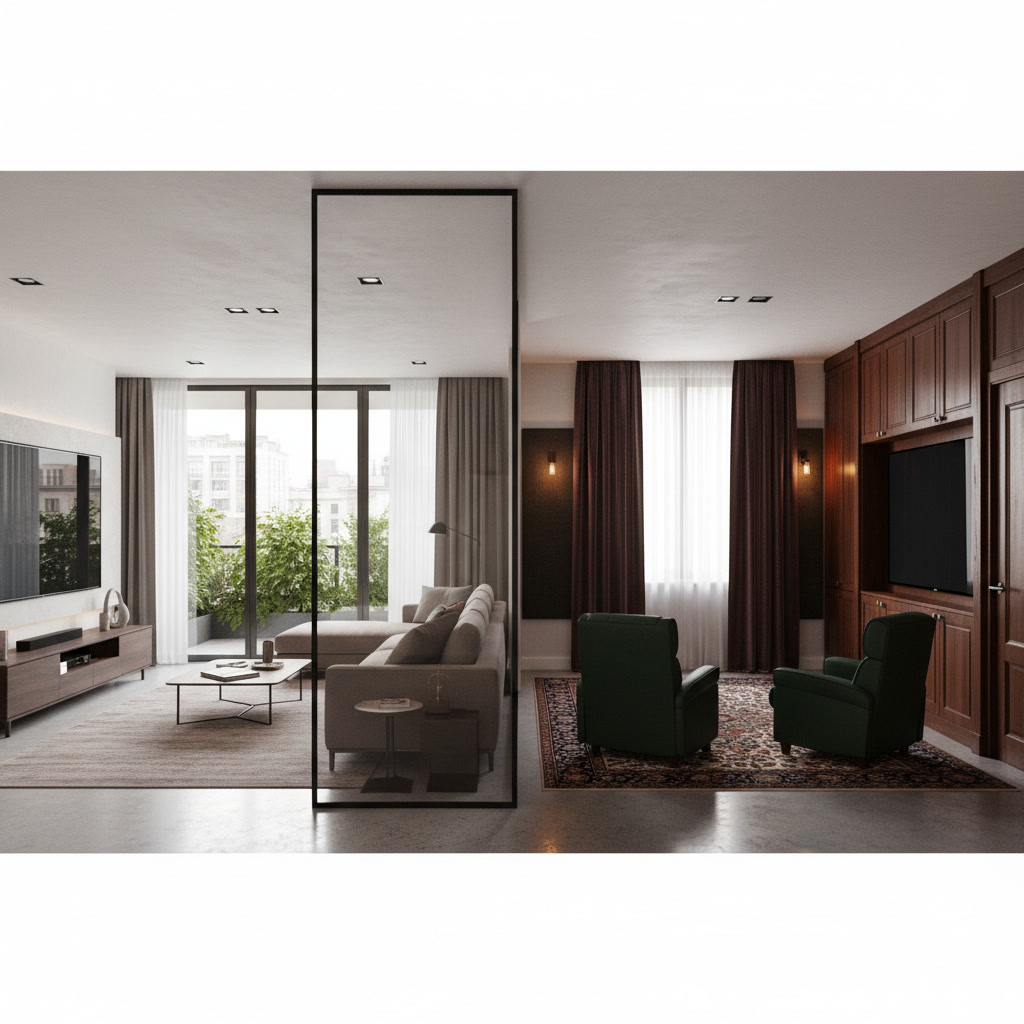
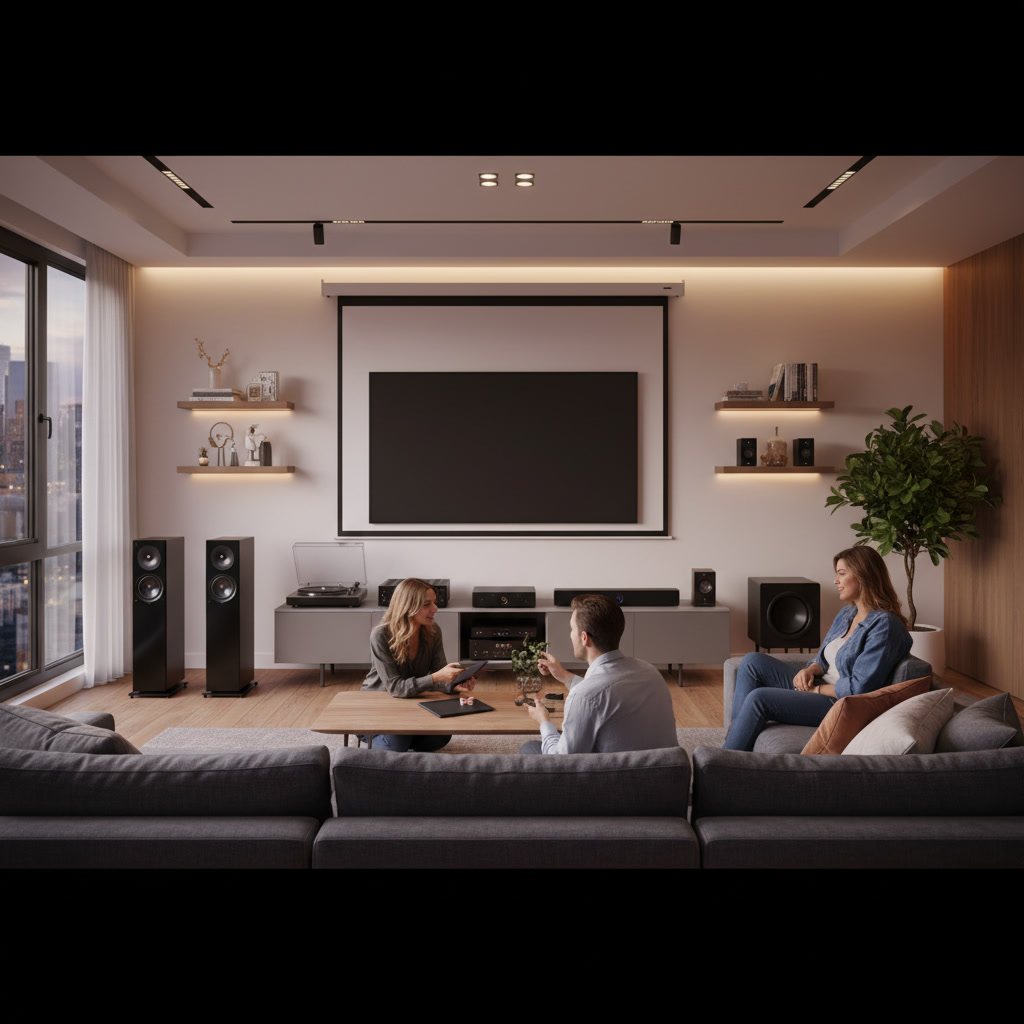
Selecting the right home entertainment system depends on your room dimensions, viewing habits, budget, and lifestyle needs. The best approach starts with measuring your space, understanding how you consume media, and identifying which features matter most to your household. Whether you watch movies occasionally or host regular game nights, matching your equipment to your actual usage patterns prevents overspending and buyer’s remorse.
Understanding Your Space and Room Dimensions
Room size dictates nearly every component decision in your entertainment setup. Measure the distance from your primary seating position to where your screen will mount. For optimal viewing, your screen diagonal should be roughly one-third of this distance. In a room with 12 feet between couch and wall, a 48 to 55-inch screen works well. Larger rooms accommodate bigger displays without causing eye strain.
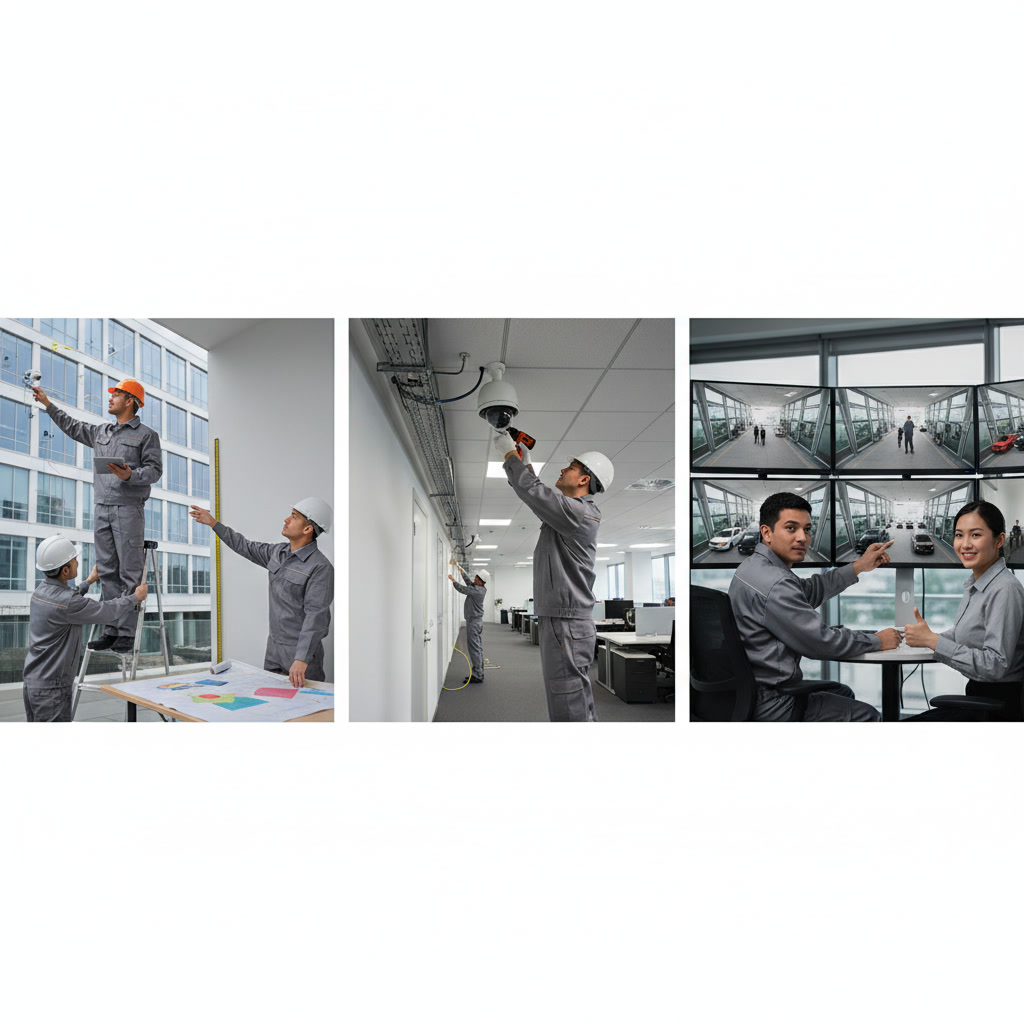
Ceiling height and wall materials also affect your setup. Rooms with high ceilings may require additional acoustic treatment to prevent sound from dispersing upward. Drywall, brick, and concrete each demand different mounting hardware and installation techniques. Professional installers account for stud spacing, electrical outlet locations, and hidden wiring paths that homeowners often overlook.
Matching Technology to Your Viewing Habits
How you use your entertainment system should guide your technology choices. Families who primarily stream content need reliable WiFi network solutions more than they need premium cable packages. Sports enthusiasts benefit from screens with higher refresh rates that handle fast motion without blur. Movie lovers prioritize color accuracy and contrast ratios over raw brightness.
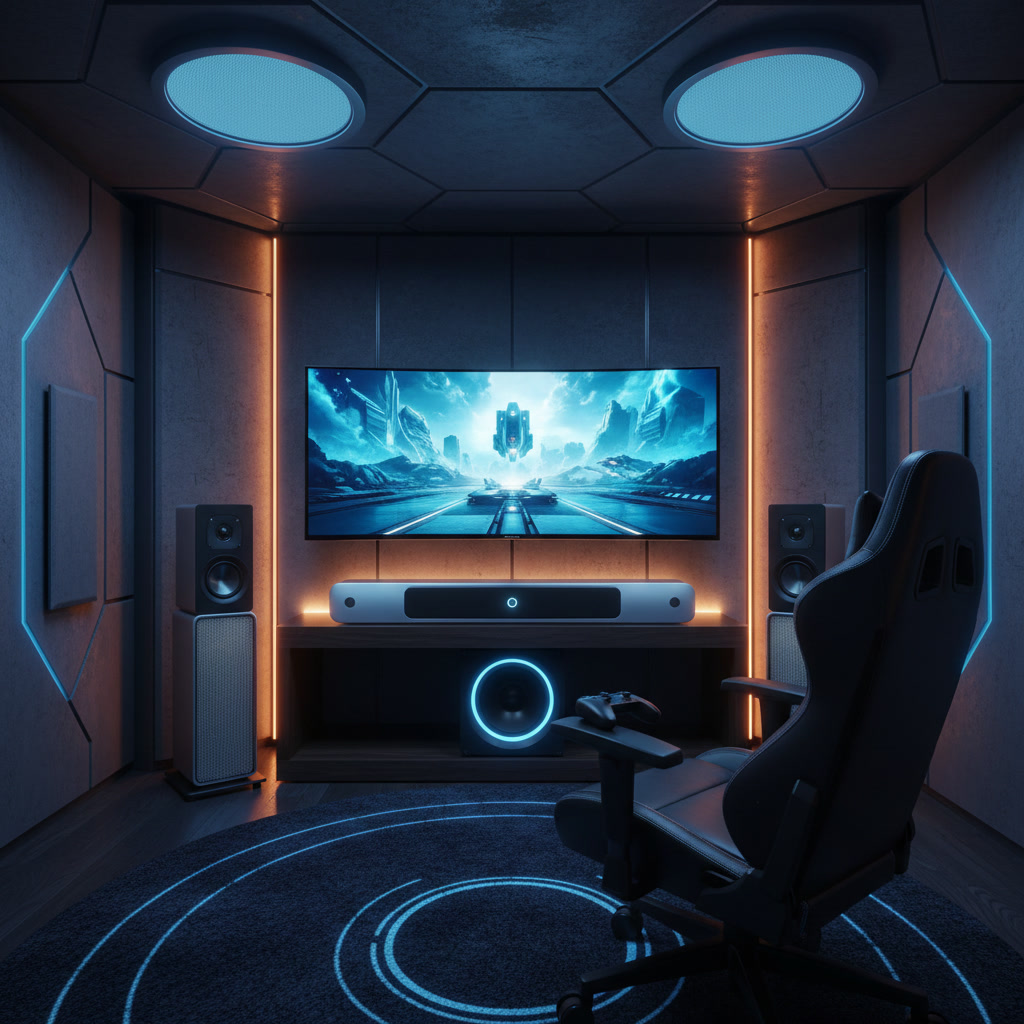
Gaming households require low input lag, which varies significantly across display models. A screen with 30 milliseconds of lag feels sluggish during competitive play, while five milliseconds or less provides responsive control. If multiple family members game simultaneously, dedicated gaming rooms with separate systems prevent scheduling conflicts and optimize each space for its specific use.
Screen Technology Comparison
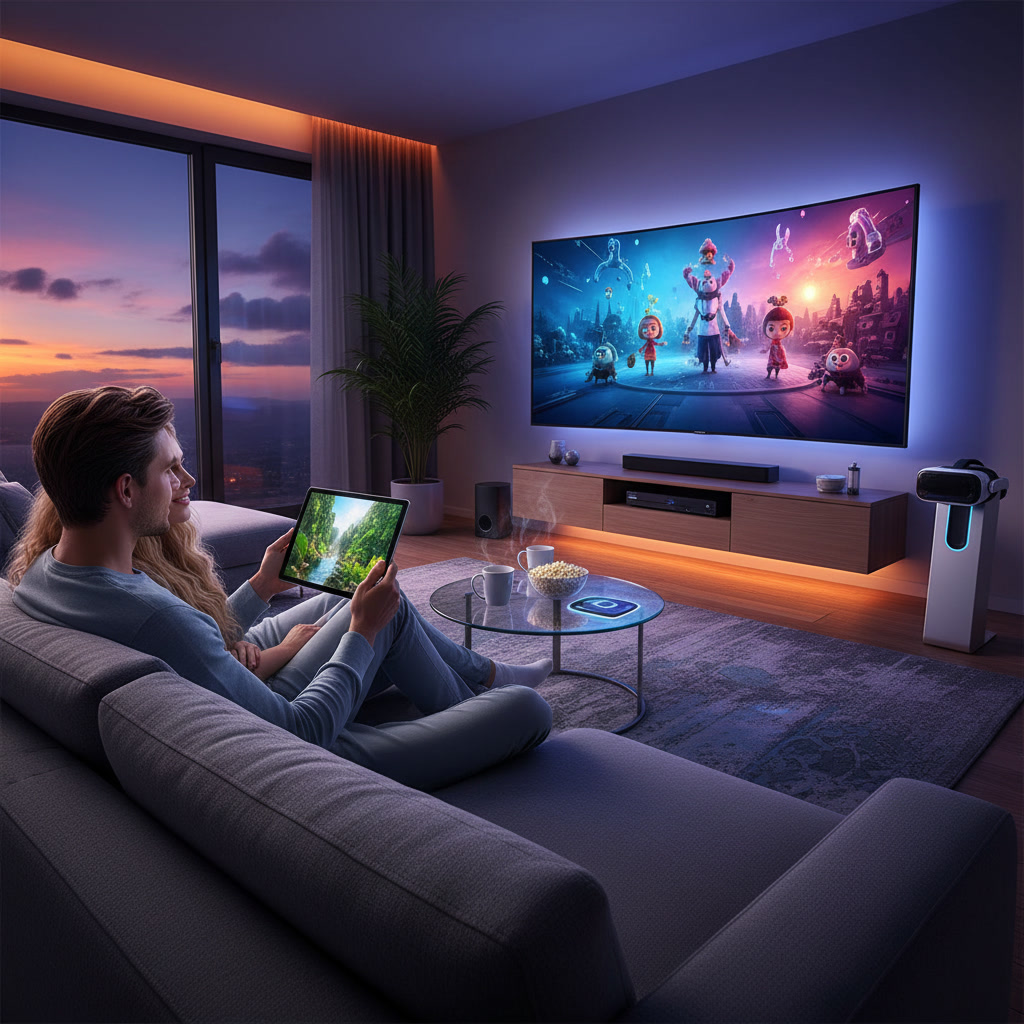
Four main display technologies dominate the market, each with distinct advantages. OLED panels deliver perfect blacks and infinite contrast because each pixel generates its own light. These screens excel in dark rooms but cost more than alternatives. LED-backlit LCD displays offer higher peak brightness, making them better for sunny rooms with lots of windows. They also typically cost less per inch than OLED.
QLED technology uses quantum dots to enhance color volume and brightness beyond standard LED screens. This middle-ground option balances performance and price for most households. Projectors provide the largest possible image size but require controlled lighting and more installation planning. A 120-inch projection screen costs less than a 100-inch flat panel, but ambient light washes out the image during daytime viewing.
Audio Configuration for Different Room Shapes
Speaker placement matters more than most people realize. The most common configuration is 5.1 surround sound: three front channels, two rear surrounds, and one subwoofer. This setup works well in rectangular rooms where you can position rear speakers behind or beside the seating area. Square rooms benefit from 7.1 systems that add two additional side speakers for more precise sound positioning.
Open floor plans present unique challenges because sound bleeds into adjacent areas. Soundbars with virtual surround processing offer a simpler solution when running speaker wire isn’t practical. However, dedicated audio solutions with properly placed discrete speakers always outperform soundbars in critical listening scenarios. Bass frequencies travel through walls easily, so subwoofer placement affects neighbors in apartments and attached homes.
Smart Integration and Control Systems in Mesa
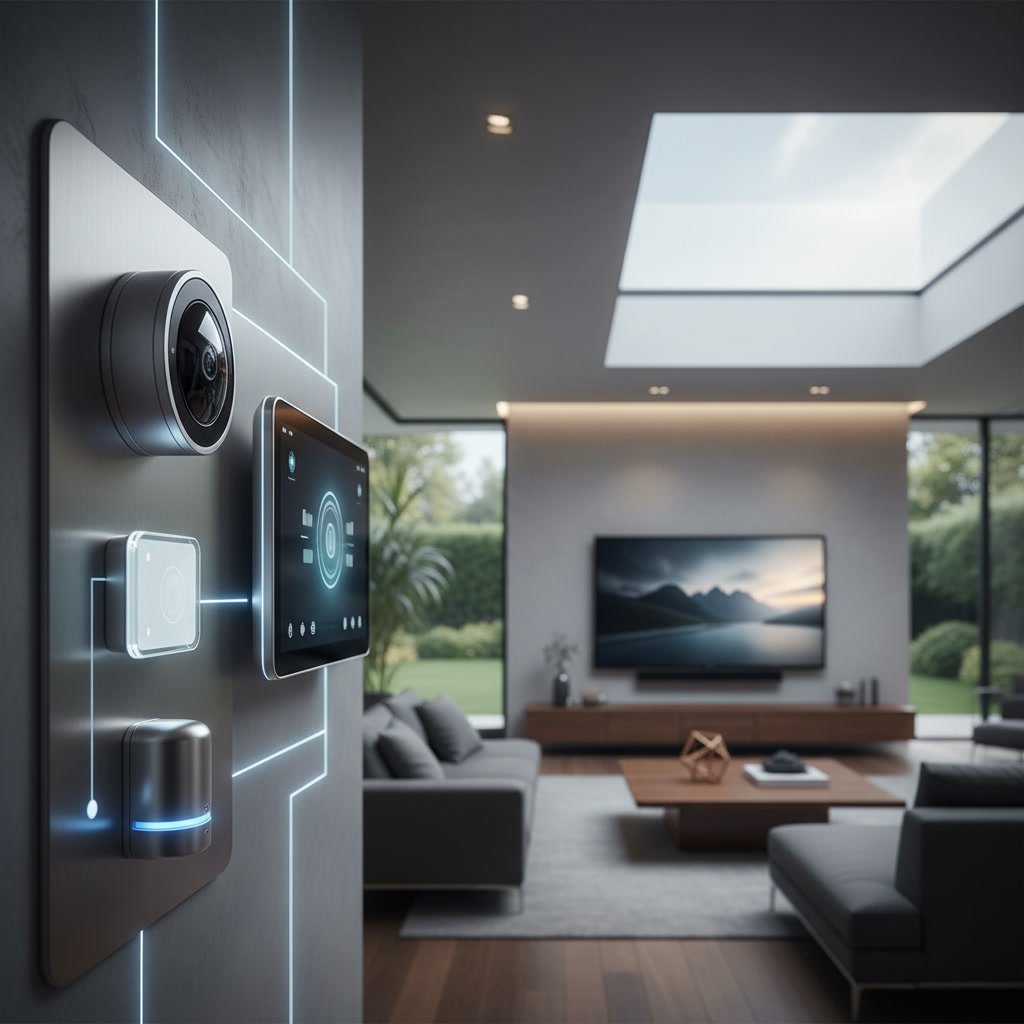
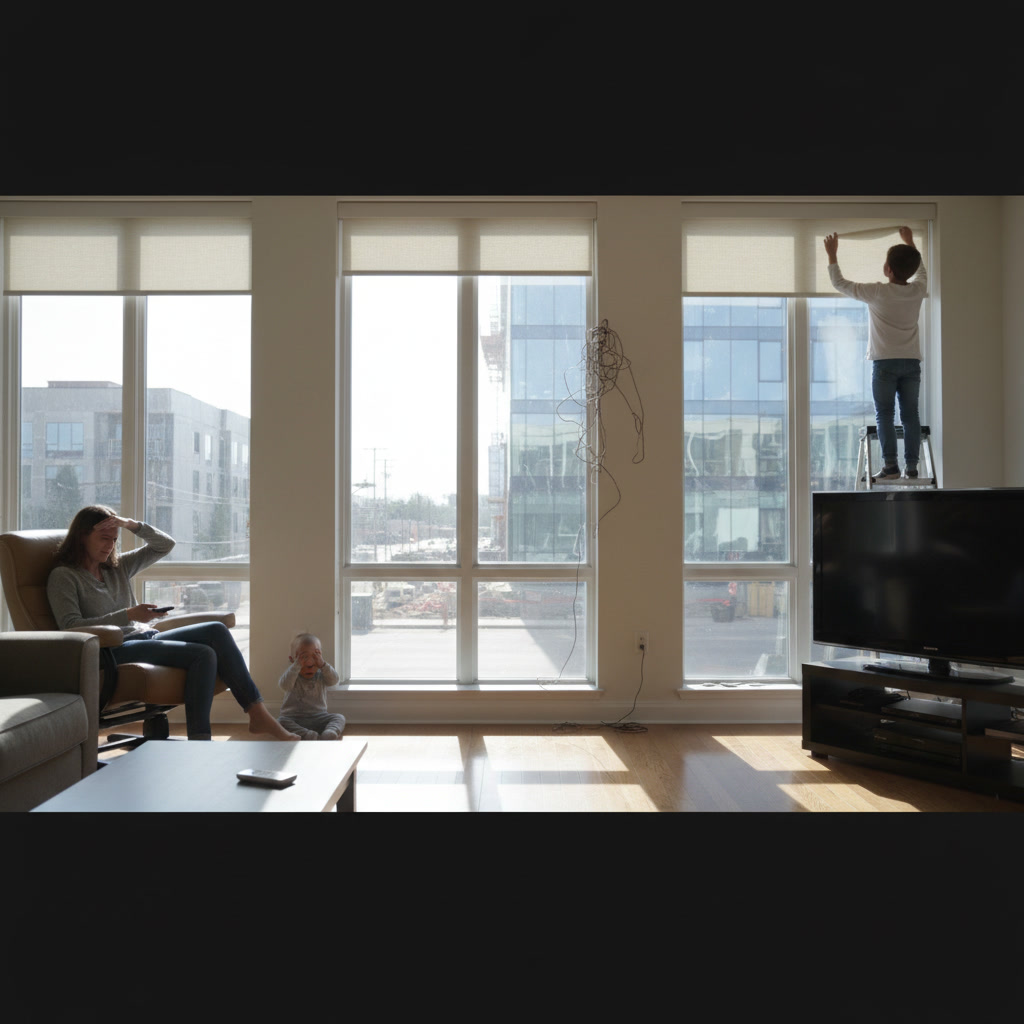
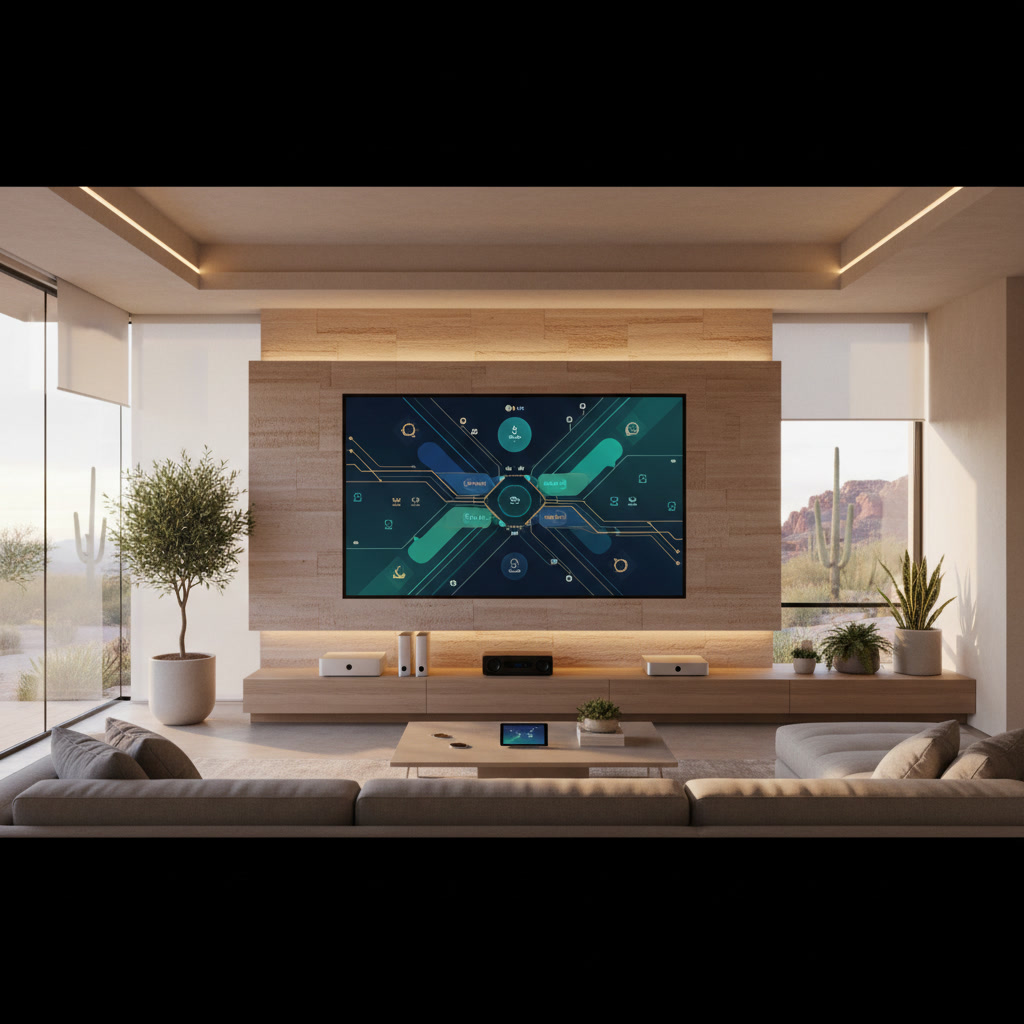
Modern entertainment systems connect to lighting, climate control, and security equipment through centralized platforms. A single remote or smartphone app can dim lights, lower window shades and blinds, and start your movie simultaneously. This convenience costs extra upfront but simplifies daily use for years to come.
Voice control through Alexa, Google Assistant, or Siri adds hands-free operation. These systems work best when all components support the same ecosystem. Mixing incompatible brands often requires multiple apps and creates frustration. A professional assessment identifies which smart home platform aligns with your existing devices and future expansion plans.
Budget Planning Across System Tiers
Entry-level systems starting around $1,500 include a quality 55-inch screen, soundbar, and streaming device. This tier covers basic entertainment needs without advanced features. Mid-range setups between $3,000 and $8,000 add discrete surround speakers, higher-end displays, and smart home integration. Premium installations exceeding $15,000 incorporate custom seating, acoustic treatments, hidden wiring, and commercial-grade components built for daily use.
Installation costs vary based on complexity. Simple TV mounting on drywall runs less than mounting on brick or hiding cables inside walls. Understanding typical installation pricing in the Phoenix area helps you budget accurately and avoid surprise charges. Always get written quotes that itemize equipment and labor separately.
Wiring and Infrastructure Considerations
Running cables during construction or renovation costs far less than retrofitting finished spaces. HDMI cables should be at least category two certified for 4K content, with category three supporting 8K and higher refresh rates. Ethernet wiring provides more reliable connections than wireless for streaming devices, gaming consoles, and smart TVs.
Conduit installation allows future cable upgrades without opening walls again. This small upfront investment protects against technology changes and prevents obsolescence. Power outlet placement should account for every device that needs electricity, plus two extra outlets for future additions. Surge protection at the outlet level guards expensive equipment against voltage spikes.
Room Acoustics and Sound Treatment
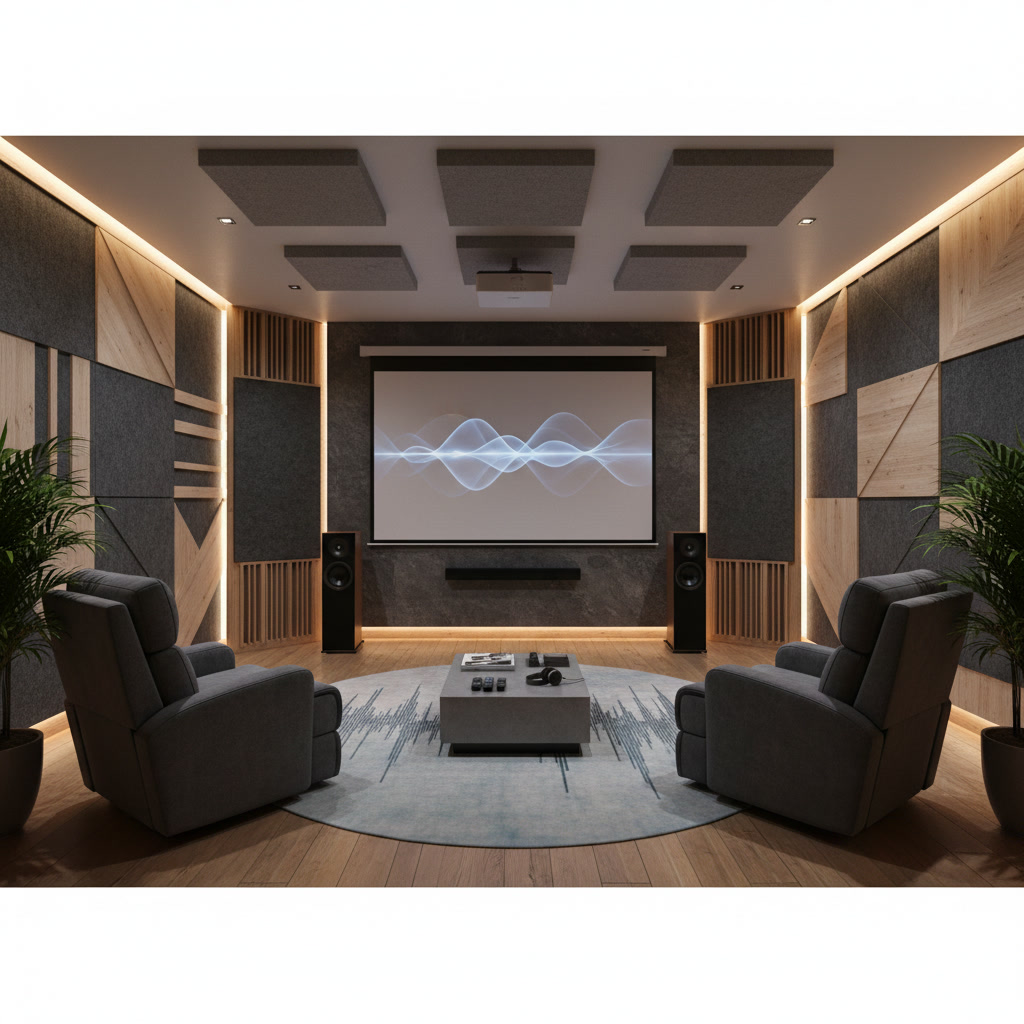
Hard surfaces like tile, hardwood, and glass reflect sound waves and create echoes that muddy dialogue clarity. Adding area rugs, upholstered furniture, and fabric wall panels absorbs these reflections. Dedicated home theater spaces in basements and bonus rooms benefit most from acoustic treatment because you can design the room specifically for media consumption.
Bass traps in room corners prevent low-frequency buildup that causes boomy, undefined bass. These inexpensive additions dramatically improve sound quality for minimal cost. First reflection points on side walls need absorption panels to prevent speaker output from bouncing directly into your ears before the direct sound arrives. This subtle timing difference reduces stereo imaging and makes soundtracks feel less immersive.
Scalability and Future Expansion Options
Building expansion capability into your initial system saves money long-term. A receiver with extra channels lets you add height speakers for Dolby Atmos later without replacing the main component. Leaving conduit runs to adjacent rooms enables whole-home audio expansion when your budget allows. Pre-wiring common expansion points during the initial installation costs a fraction of what retrofitting requires.
Technology evolves quickly, but well-designed infrastructure remains useful for decades. HDMI standards change, but the conduit carrying those cables stays relevant. Investing in quality structural elements while choosing mid-range electronics balances performance and longevity. You can upgrade screens and receivers as technology improves while keeping the expensive custom work intact.
Common Mistakes That Cost Homeowners Money
Buying oversized equipment for small rooms wastes money and degrades the experience. A 75-inch screen six feet from your face causes eye strain and ruins movie night. Undersized speakers in large spaces force you to increase volume beyond their designed limits, causing distortion and potential damage. Matching component size to room dimensions prevents these issues.
Skipping professional calibration leaves significant performance on the table. Factory display settings prioritize showroom impact over accurate home viewing. A trained technician adjusts color temperature, brightness, contrast, and motion processing to optimize the picture for your specific lighting conditions. This service typically costs $200 to $400 and makes a visible difference that justifies the expense.
Ignoring room lighting creates viewing problems no amount of equipment can solve. Windows without coverings wash out screen images during daytime. Overhead lights create glare on glossy screens. Planning your lighting design alongside your entertainment system ensures you can actually see the content you paid to display.
Creating Your Ideal Entertainment Experience
The right home entertainment system balances your space constraints, usage patterns, and budget realities. Start by honestly assessing how you actually use your current setup rather than aspirational scenarios that rarely happen. Document your room dimensions, electrical outlet locations, and any structural limitations before shopping for components.
Working with experienced professionals prevents costly mistakes and ensures every dollar contributes to better performance. Pro Home Entertainment LLC brings technical expertise and real-world installation experience that helps you avoid common pitfalls. Their team understands how different components work together and which combinations deliver the best value for your specific situation.
Whether you need a simple screen upgrade or a complete custom installation, choosing equipment that matches your lifestyle creates years of enjoyment. The perfect system fits your space, serves your viewing habits, and leaves room for future expansion as your needs evolve. Taking time to plan thoroughly upfront prevents buyer’s remorse and ensures your investment delivers lasting satisfaction.
If you’re ready to build an entertainment system that truly fits your home and lifestyle, Pro Home Entertainment LLC offers expert guidance from initial planning through final calibration. Their team serves homeowners throughout the greater Phoenix area with professional installation and ongoing support. Call +12068194038 to schedule a consultation and discover how the right system transforms your entertainment experience.