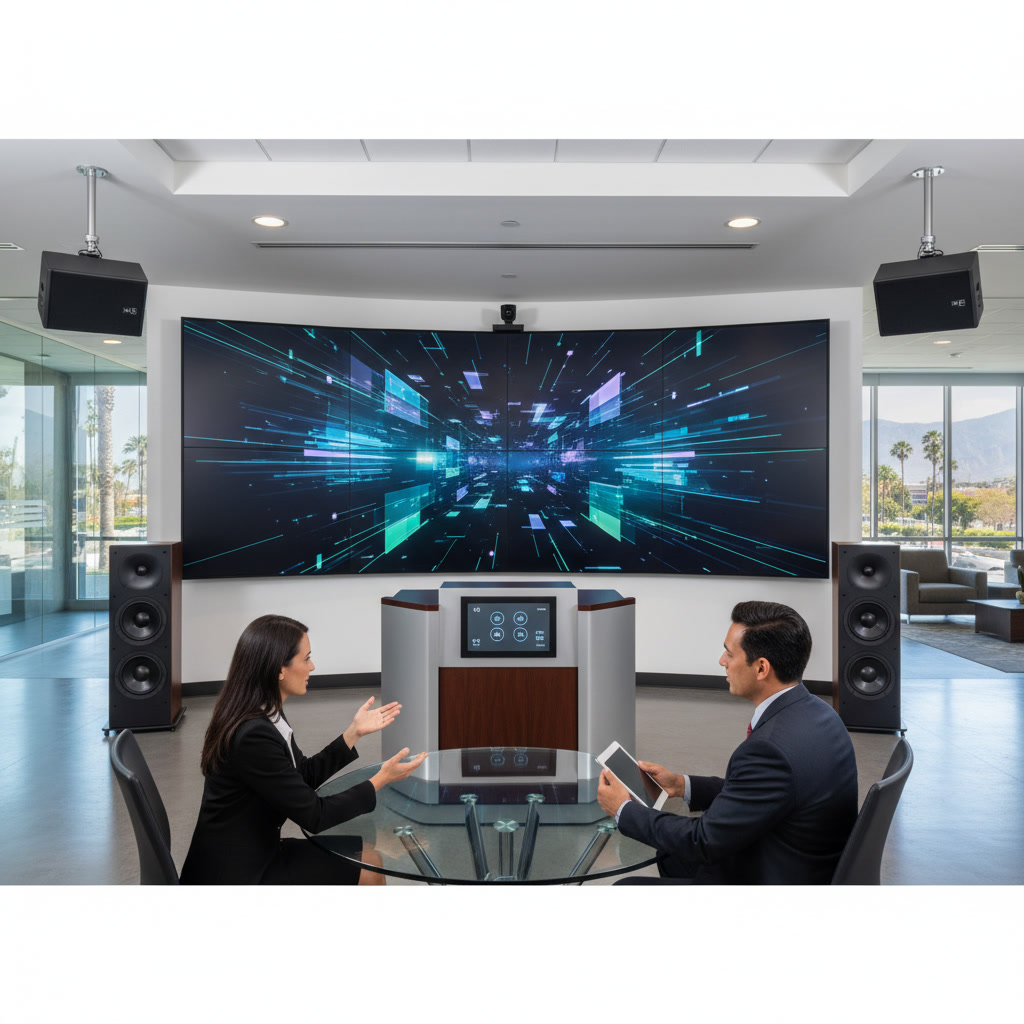
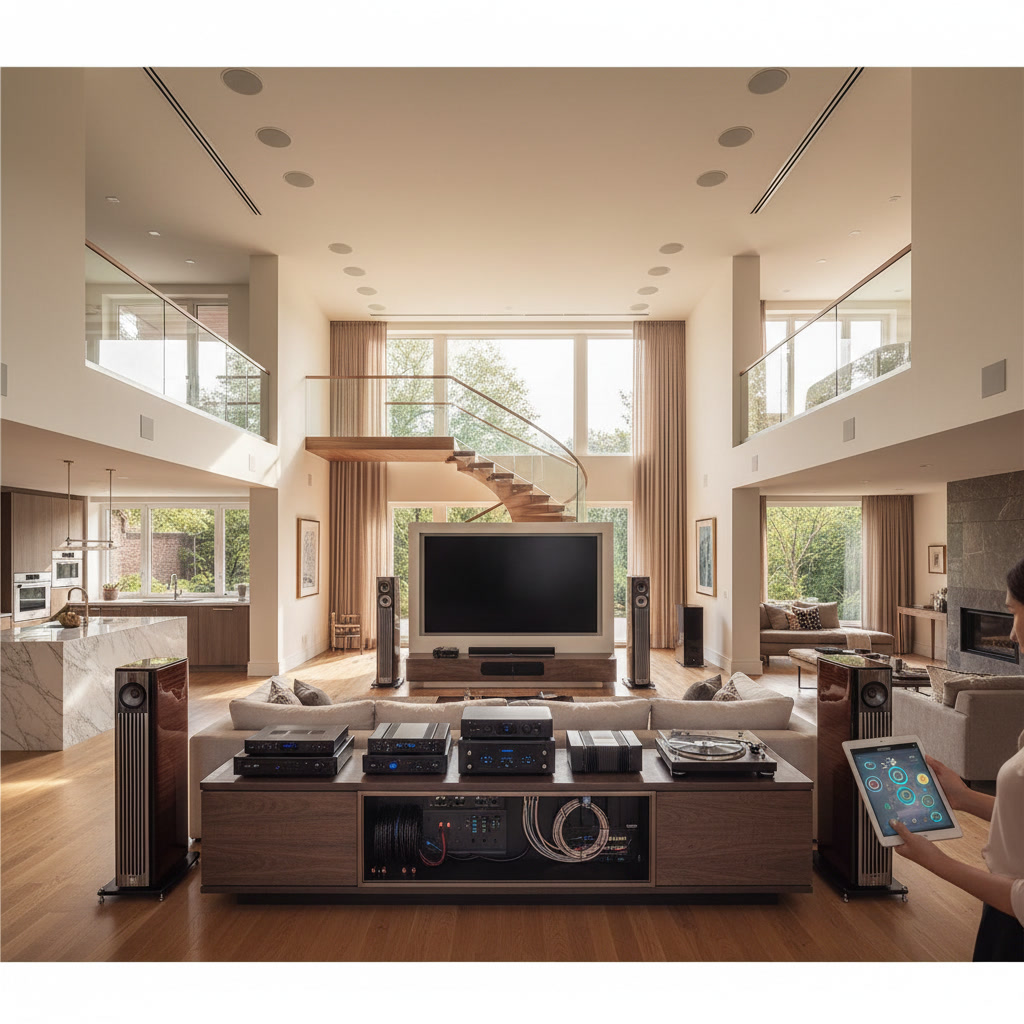
Multi story homes present unique challenges when you want music or audio to flow seamlessly from room to room and floor to floor. Unlike single-level spaces, these properties require strategic planning to overcome issues like distance, structural barriers, and uneven sound distribution. A properly designed whole home audio system solves these problems by delivering consistent, high-quality sound to every corner of your home, controlled from a single interface.
This guide covers everything you need to know about planning, installing, and optimizing audio across multiple floors, from choosing the right equipment to understanding wiring options and integration with your existing smart home setup.
Planning Your Multi Story Audio Layout
The foundation of any successful whole home audio system starts with a detailed plan. Before purchasing equipment or running a single wire, map out which rooms on each floor need audio coverage. Most homeowners prioritize living rooms, kitchens, master bedrooms, outdoor patios, and home offices, but your priorities may differ based on how you use your space.
Consider how you want to control audio in different zones. Modern systems allow you to play different sources in different rooms simultaneously. You might want classic rock in the garage workshop on the ground floor while your family listens to a podcast in the second-floor kitchen. This flexibility requires a multi-zone amplifier or receiver that can handle independent inputs and outputs.
Account for architectural challenges specific to multi story homes. Concrete floors, steel beams, and thick insulation can interfere with wireless signals if you choose a wireless system. Conversely, running speaker wire between floors through finished walls may require access points you don’t have without significant renovation. These structural realities should shape your technology choices early in the planning phase.
Pro Tip: Walk through your home with a notepad and mark every location where you want a speaker or control panel. Measure ceiling heights on each floor, as rooms with 10-foot ceilings need different speaker configurations than standard 8-foot spaces.

Choosing Between Wired and Wireless Systems
The wired versus wireless decision significantly impacts installation complexity, sound quality, and long-term reliability in a multi story setup. Each approach has distinct advantages depending on your home’s construction and your audio quality expectations.
Wired Audio Systems
Wired systems use physical speaker cables running from a central amplifier to in-wall or in-ceiling speakers throughout your home. This approach delivers the most consistent sound quality without signal interference or dropouts. Once installed, wired systems require virtually no maintenance and don’t depend on Wi-Fi strength or network congestion.
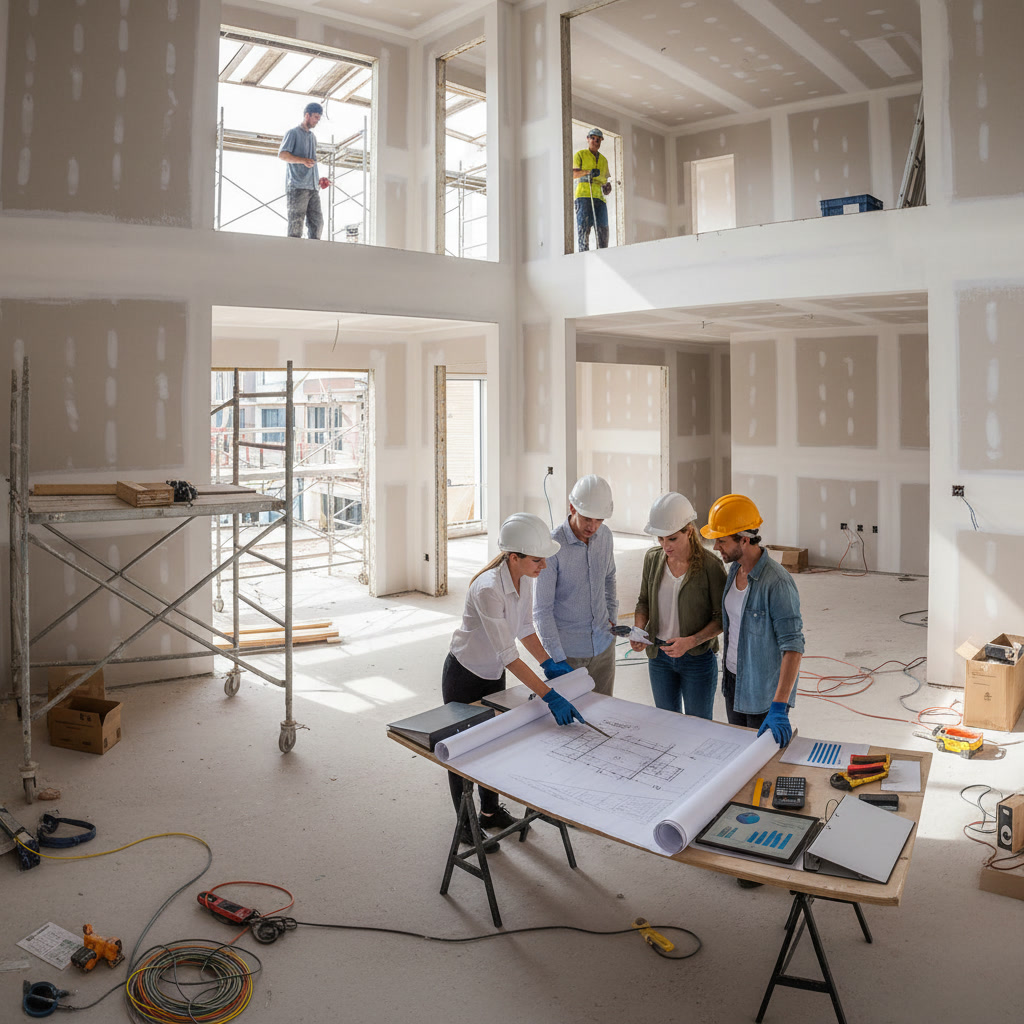
The primary challenge with wired installations in multi story homes is getting cables from one floor to another without damaging walls or ceilings. Professional installers typically run wires through existing HVAC chases, plumbing walls, or closet spaces that span multiple floors. In homes under construction or undergoing renovation, this process is straightforward. In finished homes, it requires expertise to minimize visible damage and ensure a clean installation.
Wireless Audio Systems
Wireless systems transmit audio over your home Wi-Fi network or dedicated wireless protocols like Sonos, Bluesound, or HEOS. These systems eliminate the need for speaker wire between floors, making them attractive for finished homes where running cables would be invasive or impossible.
The limitation of wireless systems in multi story buildings is signal strength. Wi-Fi signals degrade as they pass through floors, especially those with radiant heating, concrete, or metal framing. A robust network infrastructure with access points on each floor becomes essential. You may need mesh networking or dedicated access points to ensure every wireless speaker maintains a stable connection.
Battery-powered portable speakers are wireless but don’t constitute a true whole home audio system since they require individual charging and lack centralized control. When discussing wireless systems, we’re referring to powered speakers or receivers that connect to your home network.
Selecting Speakers for Each Floor and Room Type
Speaker selection depends on room size, ceiling type, and how you use each space. Not every room needs the same speaker configuration, and mismatched speakers can create jarring differences as you move between floors.
In-ceiling speakers work well for most living spaces, kitchens, and bedrooms. They mount flush with the ceiling surface, providing even sound distribution without consuming wall space or shelf area. For rooms with standard 8 to 9-foot ceilings, 6.5-inch speakers typically provide sufficient coverage. Larger rooms or those with vaulted ceilings may need 8-inch drivers or multiple speaker pairs.
In-wall speakers suit spaces where ceiling mounting isn’t practical, such as finished basements with drop ceilings or rooms where ceiling joists run the wrong direction for optimal speaker placement. They install between wall studs and can be positioned at ear level for more direct sound in dedicated listening rooms or home theaters.
Outdoor-rated speakers should be used for any covered patios, balconies, or deck areas accessible from upper floors. These speakers withstand temperature swings and humidity that would damage standard indoor speakers. If your second-story master bedroom opens to a balcony where you enjoy morning coffee, include at least one zone of outdoor-rated speakers in your plan.
Key Takeaway: Match speaker power handling to your amplifier’s output. An amplifier rated at 100 watts per channel should connect to speakers that can handle at least 100 watts continuous power to prevent damage and distortion.
Amplifier and Receiver Requirements
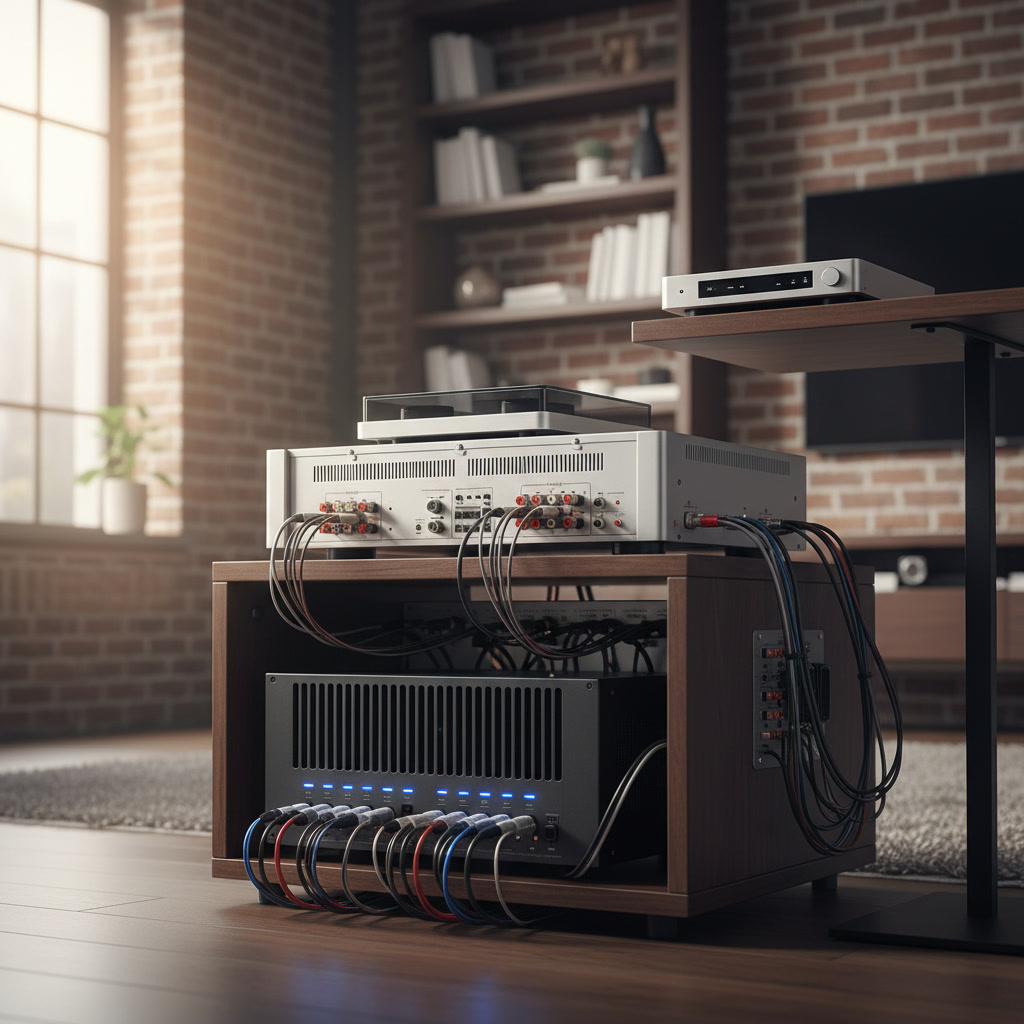
Your amplifier or receiver serves as the brain and muscle of your whole home audio system, powering speakers and routing audio sources to different zones. Multi story homes typically need multi-zone amplifiers that can drive six, eight, or more speaker pairs independently.
A basic two-zone receiver might power speakers on the main floor as zone one and upstairs bedrooms as zone two. More sophisticated systems offer individual control for every room, allowing family members to choose what plays in their space without affecting others. This granular control requires either a multi-channel amplifier or multiple smaller amplifiers distributed throughout the home.
Power requirements scale with the number of speakers and room sizes. A 50-watt-per-channel amplifier adequately drives in-ceiling speakers in a 200-square-foot bedroom. A 1,000-square-foot great room with 20-foot ceilings may need 150 watts per channel across multiple speaker pairs to achieve the same volume and clarity. Calculate total power needs across all floors before selecting equipment.
Placement of amplification equipment matters in multi story installations. Centralized equipment closets on the main or lower floor work well if you’re running wired speakers, as they minimize the total wire length needed. Distributed amplifier systems place smaller amplifiers near speaker clusters on each floor, reducing wire runs but requiring power outlets and ventilation in multiple locations.
Control Options and Smart Home Integration
Modern whole home audio systems offer control through dedicated wall panels, smartphone apps, voice assistants, or all three. The control system you choose affects daily usability more than any other component.
Wall-mounted touchscreen controllers provide dedicated physical control points on each floor. These panels typically install in standard single-gang electrical boxes and display current sources, volume levels, and quick-access presets. They function independently of your phone or internet connection, ensuring audio control even when networks are down.
Smartphone apps let you control audio from anywhere in the home without walking to a wall panel. Quality apps show which rooms are active, allow grouping of zones for party mode, and provide access to streaming services like Spotify, Apple Music, or Pandora. For multi story homes, apps eliminate the need to climb stairs just to adjust volume or change tracks on another floor.
Integration with broader smart home systems adds powerful automation capabilities. You can program your audio to gradually increase volume in the morning as part of a wake-up routine, automatically mute when someone rings the doorbell, or turn off completely when your security system arms in away mode. This level of integration typically requires a control platform like Control4, Crestron, or Savant, which coordinates audio with lighting, climate, and security systems.
Voice control through Alexa, Google Assistant, or Siri provides hands-free operation, particularly useful when cooking, working, or carrying items between floors. Most modern audio systems include native voice assistant support or can integrate through compatible smart speakers and displays.
Installation Process and Professional Considerations
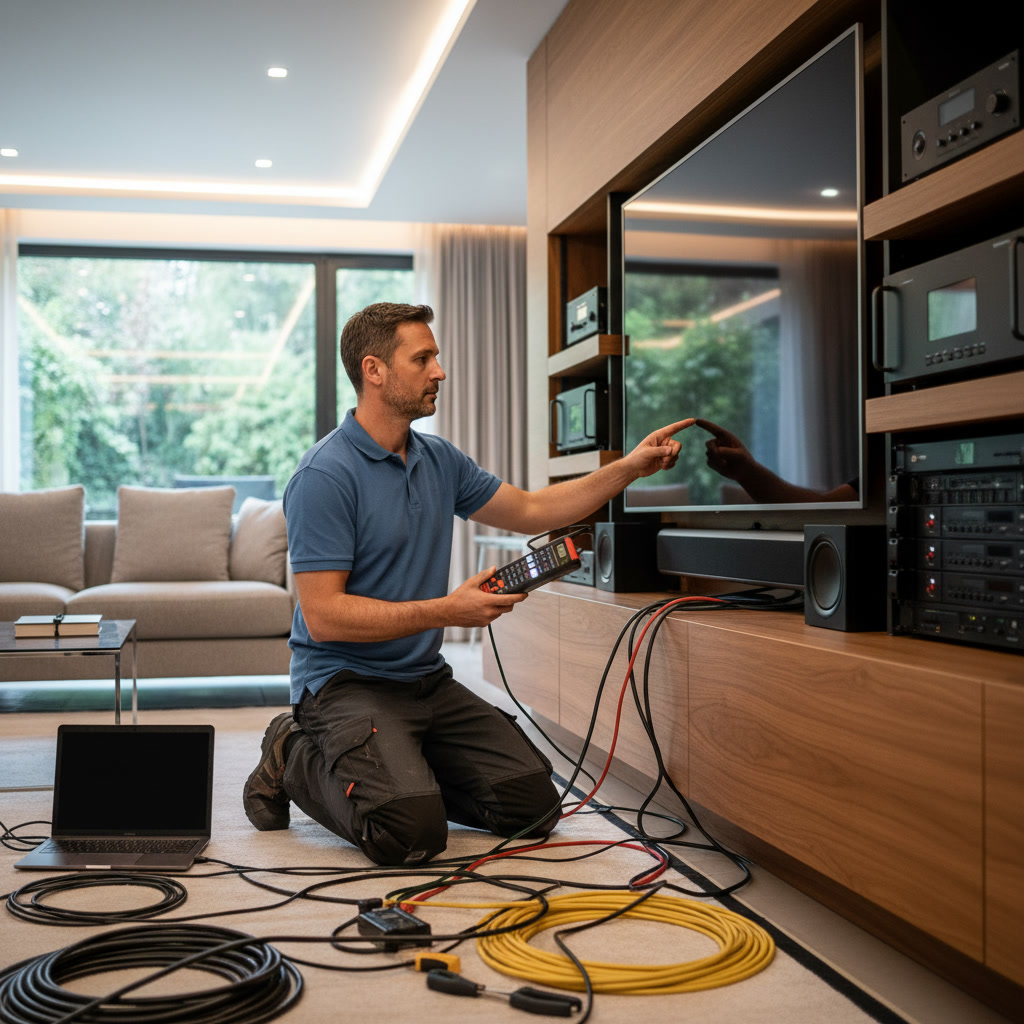
While some homeowners tackle single-room audio projects, whole home systems spanning multiple floors typically benefit from professional installation. The complexity of running cables between floors, balancing speaker loads across zones, and programming control systems requires specialized knowledge and tools.
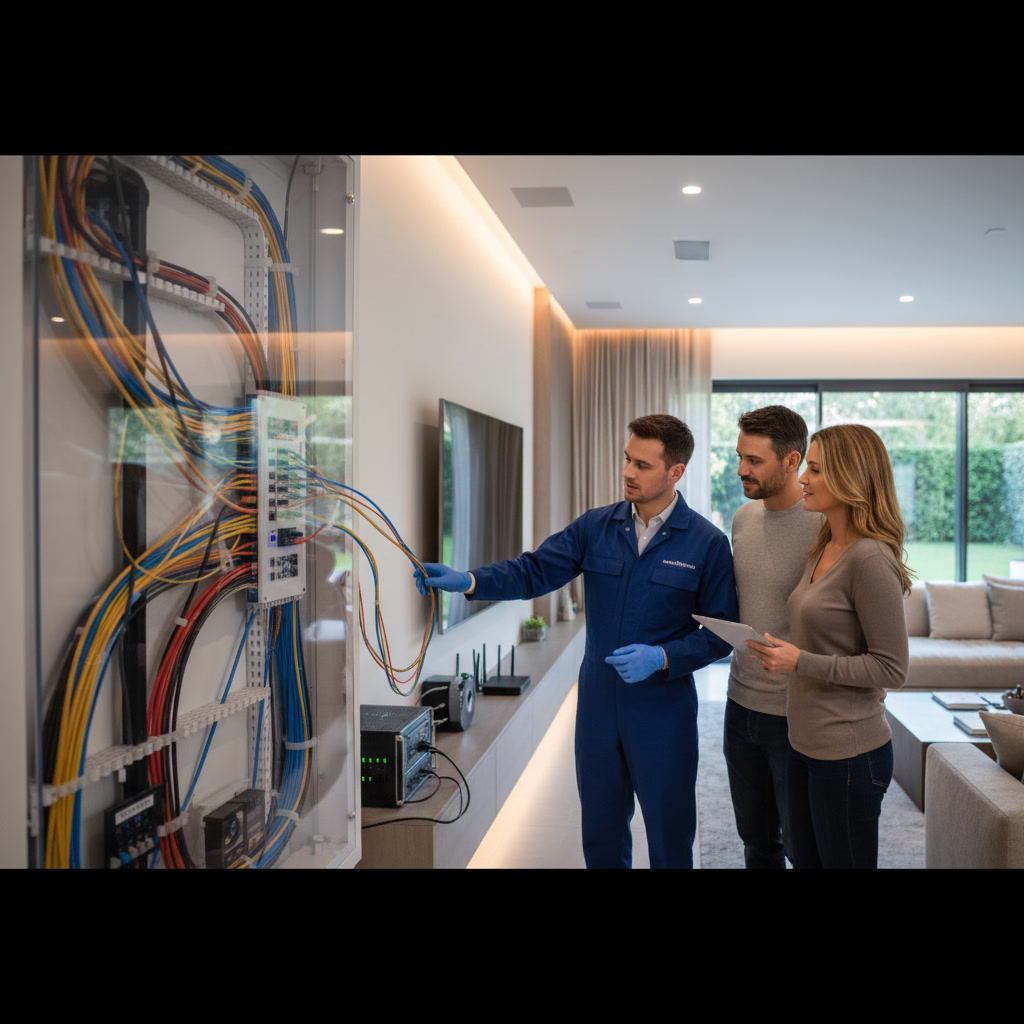
Professional installers begin with a detailed site survey, identifying wire paths between floors and locating potential obstacles like fire blocks, HVAC ducts, and existing electrical runs. They’ll mark exact speaker locations based on room layouts and acoustic principles, ensuring even coverage without dead spots or overly loud areas.
Wire routing between floors requires accessing the spaces between finished surfaces. Installers may use flexible drill bits that extend several feet to bore through multiple stud bays or floor joists. Fish tape or wire-pulling rods guide cables from the equipment location to each speaker opening. In difficult situations, installers might use existing pathways like laundry chutes, plumbing chases, or the spaces around chimneys that extend through multiple floors.
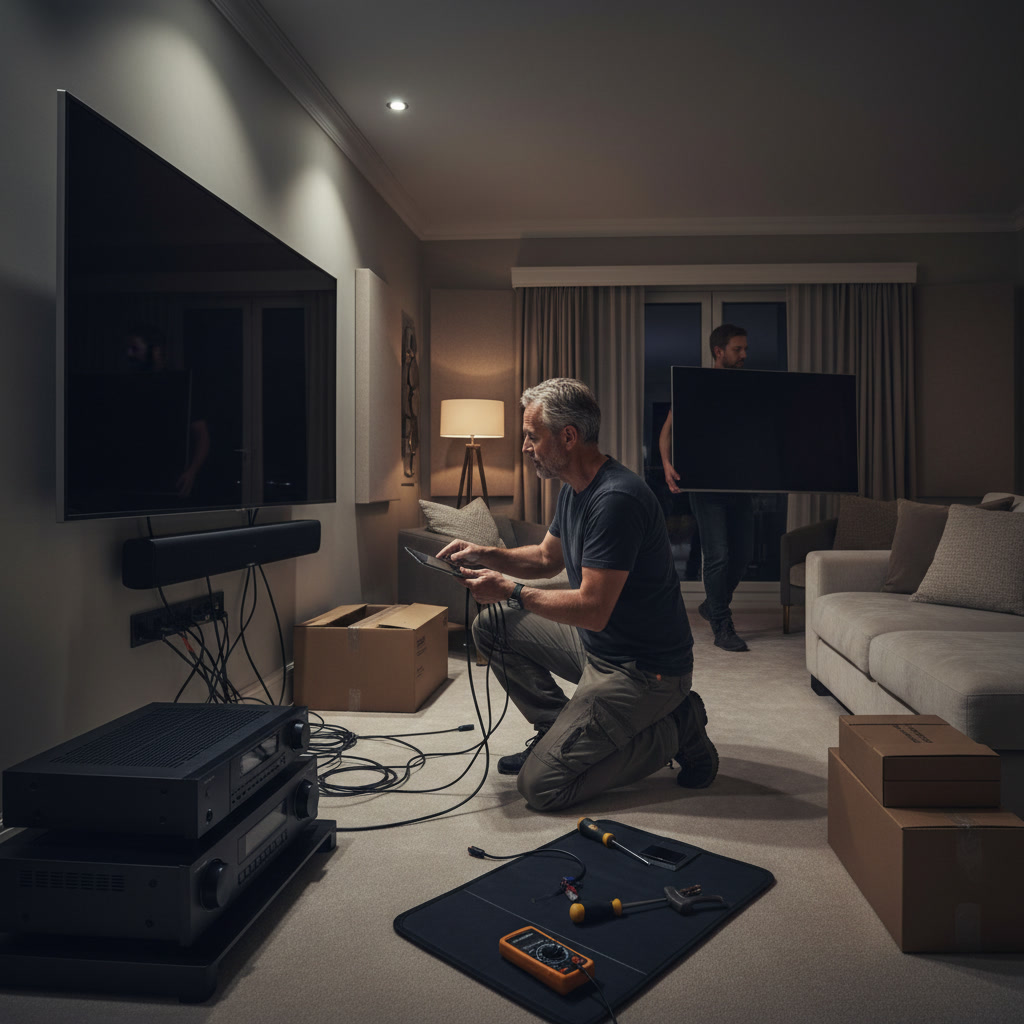
System calibration happens after all speakers are installed and connected. This process involves setting individual speaker volumes, adjusting equalization for room acoustics, and configuring zones and sources. Professional installers use sound meters and calibration tools to measure actual output at listening positions on each floor, making precise adjustments that casual installers often skip.
Homeowners in Scottsdale, Phoenix, and surrounding areas often choose professional installation to ensure systems integrate properly with their existing smart home infrastructure and meet local building codes for in-wall wiring.
Costs and Budget Planning
A whole home audio system for a multi story house represents a significant investment, with costs varying widely based on equipment quality, number of zones, and installation complexity. Understanding the cost components helps you budget appropriately and make informed decisions about where to invest and where to economize.
Basic systems covering six to eight rooms across two floors typically start around $3,000 to $5,000 for equipment and professional installation. This budget usually includes in-ceiling speakers in main living areas, a multi-zone amplifier, and basic control through a smartphone app. It assumes straightforward wire routing with accessible paths between floors.
Mid-range installations in the $7,000 to $12,000 range add higher-quality speakers, more zones for individual room control, wall-mounted control panels on each floor, and integration with existing smart home systems. These systems often include outdoor speakers for patios or balconies and better amplification for larger rooms.
Premium systems exceeding $15,000 incorporate audiophile-grade speakers, distributed amplification, extensive automation, and architectural speakers designed to blend invisibly into ceilings and walls. They might include dedicated listening rooms with specialized acoustic treatments and high-resolution audio sources.
Installation labor typically represents 30 to 50 percent of total project costs. The ratio shifts toward higher labor percentages when working in finished homes where wire routing is difficult compared to new construction where walls are open. Complex multi-floor installations requiring extensive fishing of wires or creative routing solutions increase installation time and costs.
Budget for potential infrastructure upgrades as well. If you choose a wireless system, you may need to upgrade your Wi-Fi network with additional access points or a mesh system to ensure reliable connectivity on every floor. Older homes might need electrical upgrades to support additional outlets for powered speakers or distributed amplifiers.
Common Mistakes to Avoid
Several pitfalls derail otherwise well-planned whole home audio projects. Learning from others’ mistakes saves you time, money, and frustration during your installation.
Undersizing amplification is the most common error. Homeowners often select amplifiers based on the number of zones without considering the actual power requirements of their speakers and rooms. An eight-zone amplifier rated at only 30 watts per channel struggles to drive large spaces or multiple speaker pairs per zone, resulting in weak, distorted sound at reasonable listening volumes.
Ignoring acoustic differences between floors creates inconsistent experiences. Rooms with carpet, furniture, and soft furnishings on upper floors absorb more sound than hardwood or tile spaces on lower floors. If you set all speakers to identical output levels, carpeted rooms sound quieter and duller. Professional calibration accounts for these differences, adjusting each zone for consistent perceived volume and tonal balance throughout the home.
Skipping future-proofing makes systems obsolete faster than necessary. Even if you’re only installing speakers in six rooms initially, run extra speaker wire to locations you might want coverage in the future. Pulling four additional cable runs during initial installation costs a fraction of what you’d pay to open walls again later. Similarly, choose amplifiers with unused zones you can activate as needs grow.
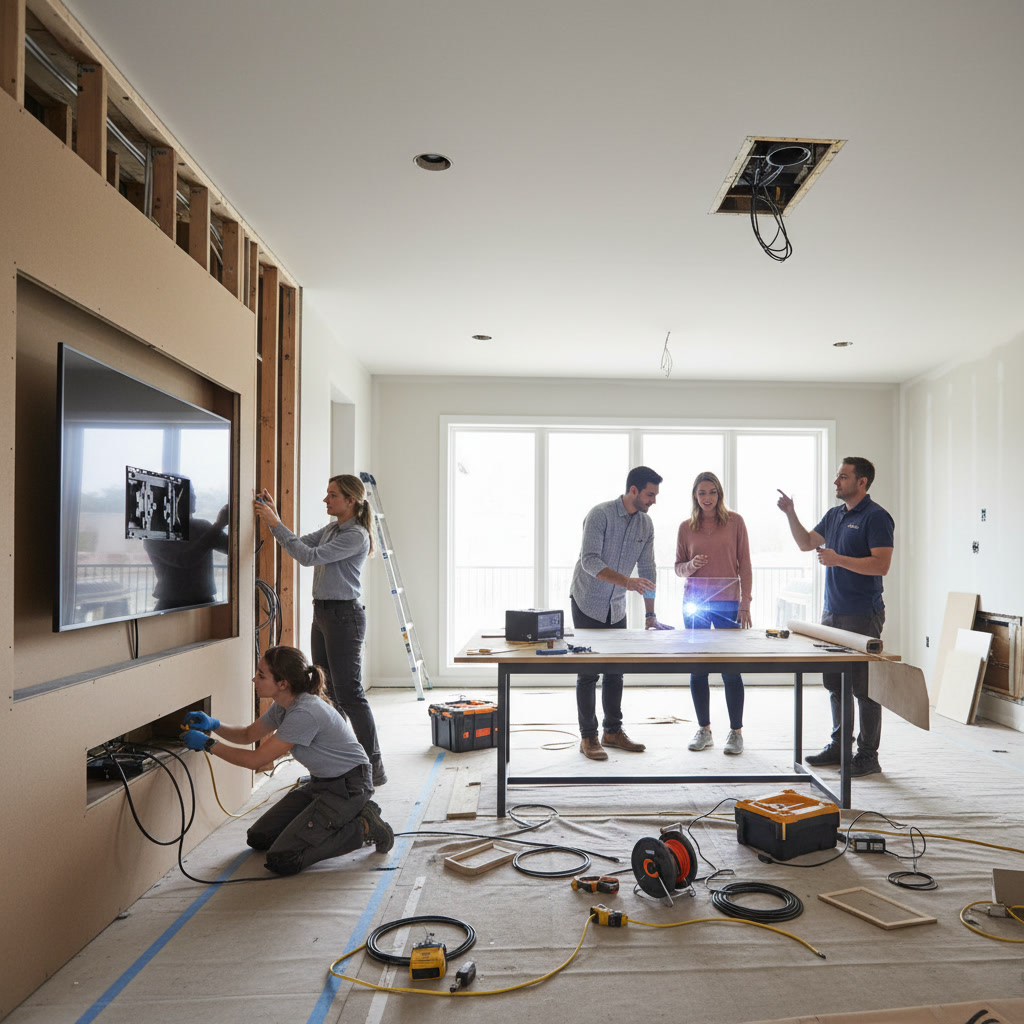
Failing to coordinate with other contractors causes conflicts and delays. If you’re installing audio as part of a larger renovation, ensure your audio installer communicates with electricians, painters, and other trades about wire pathways, equipment locations, and access requirements. Similar coordination matters when integrating your audio with security systems or automated window treatments.
Frequently Asked Questions
How many speakers do I need per room in a multi story house?
Most rooms under 300 square feet need one pair of ceiling speakers for adequate coverage. Larger rooms, open-concept spaces, or rooms with vaulted ceilings may require two to four pairs to distribute sound evenly. Professional installers calculate speaker placement based on ceiling height, room dimensions, and furniture layout to eliminate dead spots.
Can I add wireless speakers to an existing wired system?
Yes, but it requires an audio distribution system that supports both wired and wireless zones. Some modern receivers include built-in streaming for wireless speakers while simultaneously driving wired zones. Alternatively, you can add streaming receivers that convert wired speaker zones into wireless endpoints controlled through apps, giving older systems modern capabilities without complete replacement.
Will a whole home audio system work during internet outages?
Wired systems with local sources like CD players, turntables, or media servers continue functioning during internet outages. Wireless systems that rely on streaming services like Spotify or internet radio lose those sources but can still play content stored locally on connected devices. Most systems retain basic control functions through dedicated remotes or wall panels even when network connectivity is down.
How long does professional installation take for a two-story home?
A typical installation covering eight to ten rooms across two floors takes two to four days. Day one usually involves running all speaker wires and mounting equipment. Day two includes installing speakers, making connections, and beginning system programming. Days three and four cover calibration, testing, and client training. Complex installations with extensive automation or difficult wire routing may require additional time.
Do whole home audio systems increase home value?
Built-in audio systems appeal to buyers who value smart home technology and convenience, potentially increasing marketability. The financial return varies by market and system quality. Professional installations with invisible in-ceiling speakers and clean integration typically add more perceived value than visible components or DIY installations. The lifestyle benefit and daily enjoyment often outweigh pure financial considerations for most homeowners.
Creating Your Perfect Multi Story Audio Experience
Setting up a whole home audio system across multiple floors transforms how you experience music, podcasts, and entertainment throughout your home. The key is careful planning that accounts for your home’s unique architecture, selecting equipment that balances quality with budget, and ensuring professional installation that delivers reliable performance for years.
Pro Home Entertainment specializes in designing and installing audio solutions for multi story homes throughout the greater Phoenix area. Our team evaluates your specific floor plan, recommends appropriate equipment, and handles every aspect of installation from wire routing to final calibration. We serve homeowners in Mesa, Scottsdale, Peoria, and surrounding communities who want professional results without the hassle of coordinating multiple contractors.
Ready to bring seamless audio to every floor of your home? Contact Pro Home Entertainment at +12068194038 to schedule a consultation. We’ll assess your space, discuss your listening preferences, and create a custom audio solution that fits your home and budget.