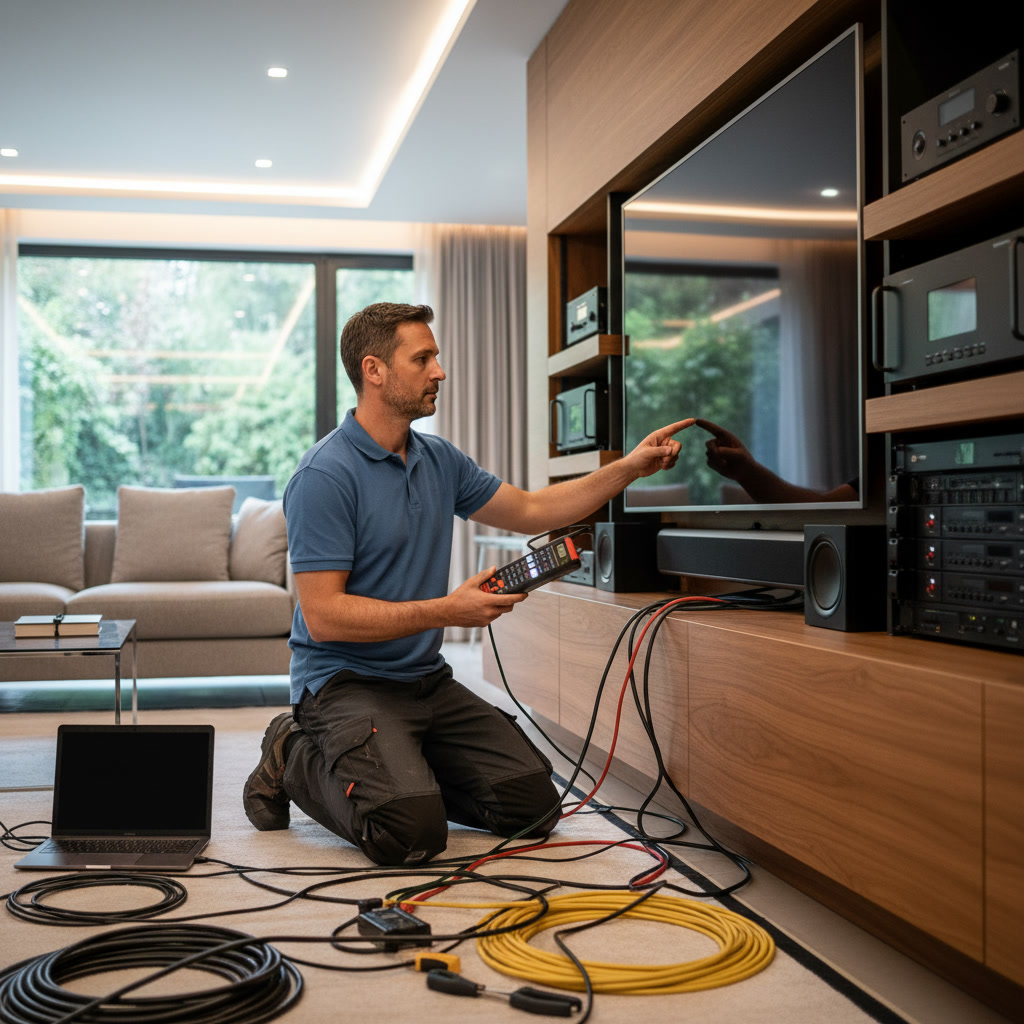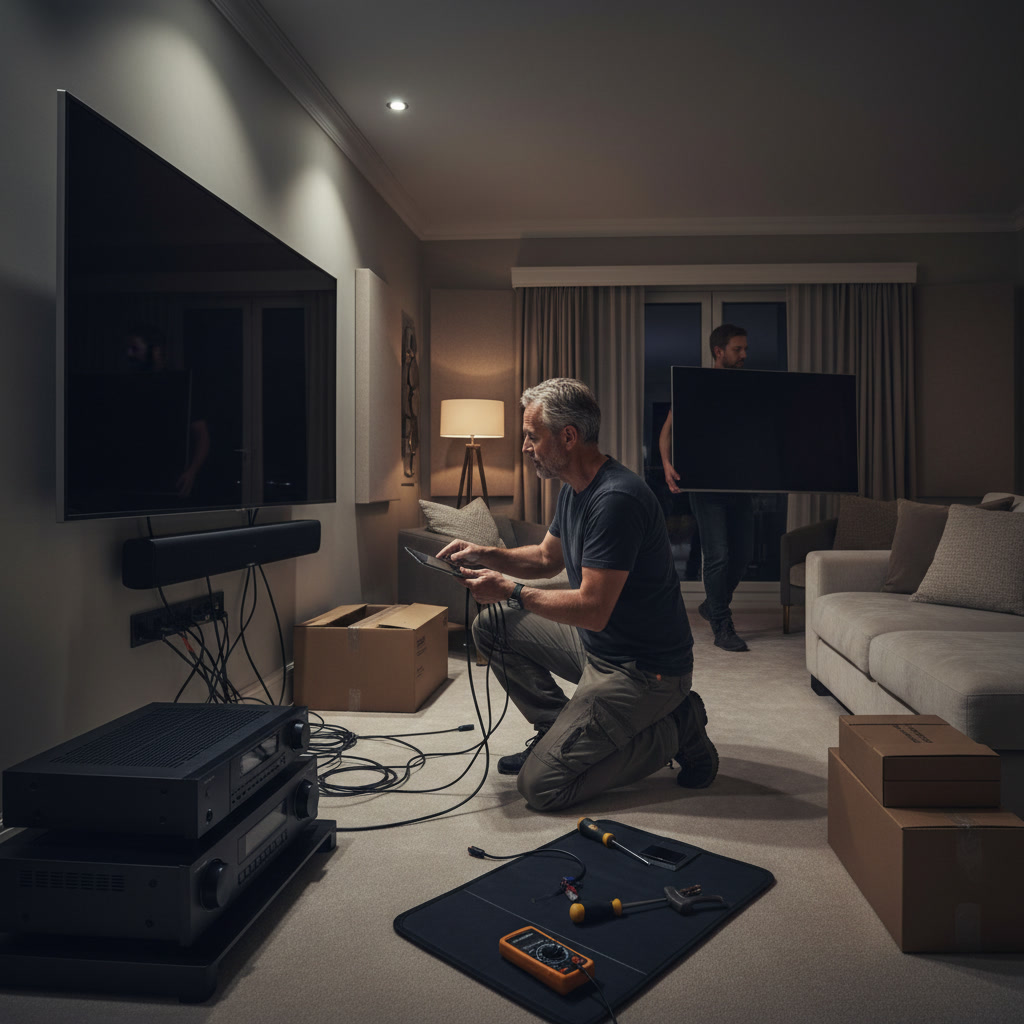
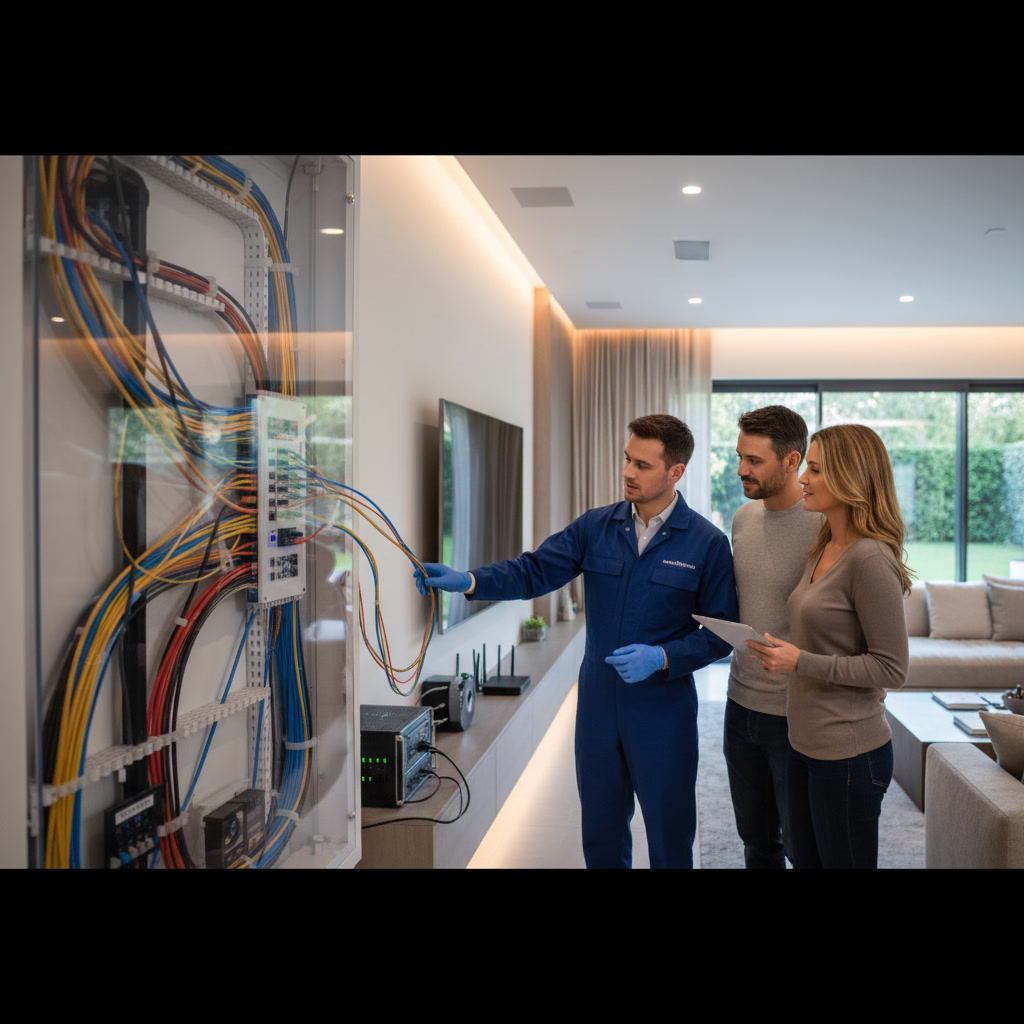
Your smart thermostat keeps disconnecting. Your security cameras buffer when you need them most. Your whole-home audio cuts out in certain rooms. These frustrations share a common root cause: inadequate infrastructure to support modern connected devices.
If you’re wondering what is structured wiring, you’re asking the right question. Structured wiring is a centralized cabling system that connects all your home’s technology through a single hub, delivering reliable data, video, and audio throughout your property. Think of it as the nervous system for your home’s smart devices.
This guide explains how structured wiring works, when it makes sense to install it, and whether your smart home truly needs it or if wireless solutions will suffice.
Understanding Structured Wiring Systems
Structured wiring is a whole-home infrastructure that organizes and distributes telecommunications, data, video, and audio signals from a central distribution panel to every room. Unlike traditional point-to-point wiring where each device connects independently, structured wiring creates a unified network backbone.
The system consists of several key components. A central distribution panel, usually mounted in a utility room or closet, serves as the hub where all cables terminate. From this panel, Category 6 (Cat 6) or Category 6a cables run to wall outlets in each room, supporting data speeds up to 10 Gbps. Coaxial cables distribute video signals, while speaker wire handles audio distribution.
The beauty of this approach is flexibility. When you want to add a device or change a room’s function, you simply connect to an existing outlet rather than running new cables through finished walls. The infrastructure remains largely invisible, with only clean wall plates visible in each room.
Key Components of a Structured Wiring System
Distribution Panel
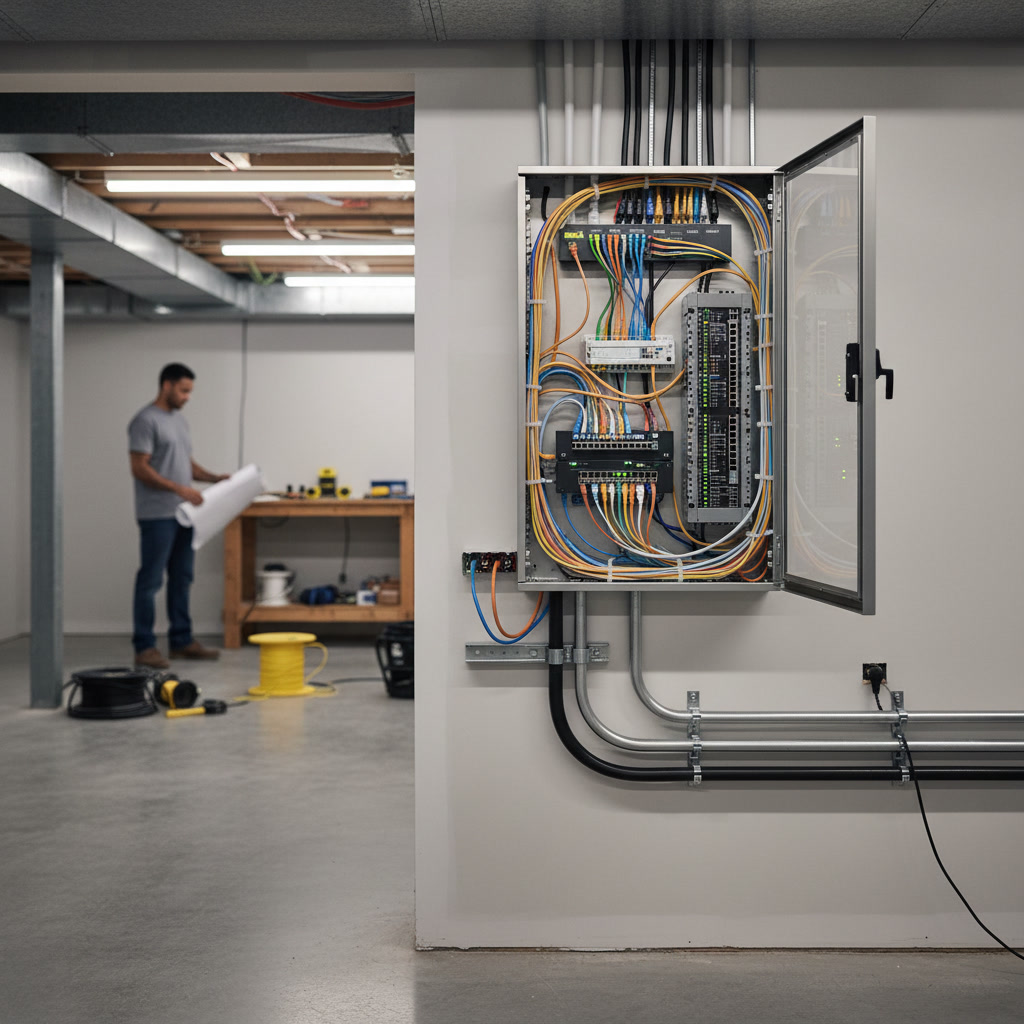
The distribution panel is the brain of your structured wiring system. This enclosure, typically 28 or 42 inches tall, houses patch panels, network switches, cable splitters, and power supplies. Quality panels include ventilation and sufficient depth to accommodate equipment without cramping connections.
Professional installations place this panel in a climate-controlled area with adequate power outlets. Basements, utility rooms, or dedicated closets work well. The location needs access for future upgrades without disrupting daily life.
Cabling Types
Modern structured wiring systems use Cat 6 or Cat 6a Ethernet cables as the primary data backbone. These support gigabit internet speeds and Power over Ethernet (PoE) for devices like security cameras and access points. Each cable can carry data, video, or voice depending on how you configure the endpoints.
RG6 coaxial cable handles cable TV, satellite, and over-the-air antenna signals. While streaming has reduced reliance on coax, many homes still benefit from distributing these signals to multiple TVs without additional set-top boxes.
Speaker wire, typically 14 or 16 gauge, connects to volume controls and in-ceiling speakers throughout the home. This integration is particularly valuable for audio solutions that deliver music to multiple zones.
Outlets and Connections
Wall outlets in each room provide connection points for devices. A typical bedroom might have two Cat 6 ports and one coax port. Living areas often include additional ports for entertainment systems. Home offices benefit from four or more data ports to support computers, printers, and other equipment.
These outlets maintain the home’s aesthetic while providing professional-grade connectivity. No exposed cables, no wireless dead zones, just reliable connections where you need them.
Benefits of Structured Wiring for Smart Homes
Structured wiring delivers several advantages that wireless networks struggle to match. Reliability tops the list. Wired connections don’t suffer from interference, weak signals, or the congestion that plagues crowded WiFi channels. When you need your security system or smart door locks to respond instantly, hardwired connections eliminate uncertainty.
Speed and bandwidth capacity exceed what most wireless systems offer. A Cat 6a cable supports 10 Gbps over 100 meters, easily handling 4K video streams, large file transfers, and bandwidth-hungry applications simultaneously. WiFi speeds degrade with distance, walls, and competing devices.
Security improves significantly with wired connections. Wireless signals broadcast beyond your property, creating potential access points for intruders. Physical cables require direct access to compromise, making them inherently more secure for sensitive devices and data.
Future-proofing ranks high among long-term benefits. The cables you install today will likely outlive several generations of wireless standards. While WiFi protocols change every few years, Cat 6 cabling installed 15 years ago still serves modern gigabit networks perfectly.
Pro Tip: Structured wiring adds measurable value to your home. Appraisers and tech-savvy buyers recognize the infrastructure as a premium feature, particularly in markets like Scottsdale and Phoenix where smart home technology is highly valued.
For homeowners investing in comprehensive smart homes, structured wiring provides the reliable foundation that wireless networks can only approximate. The initial investment pays dividends in performance and flexibility for years.
When Structured Wiring Makes Sense
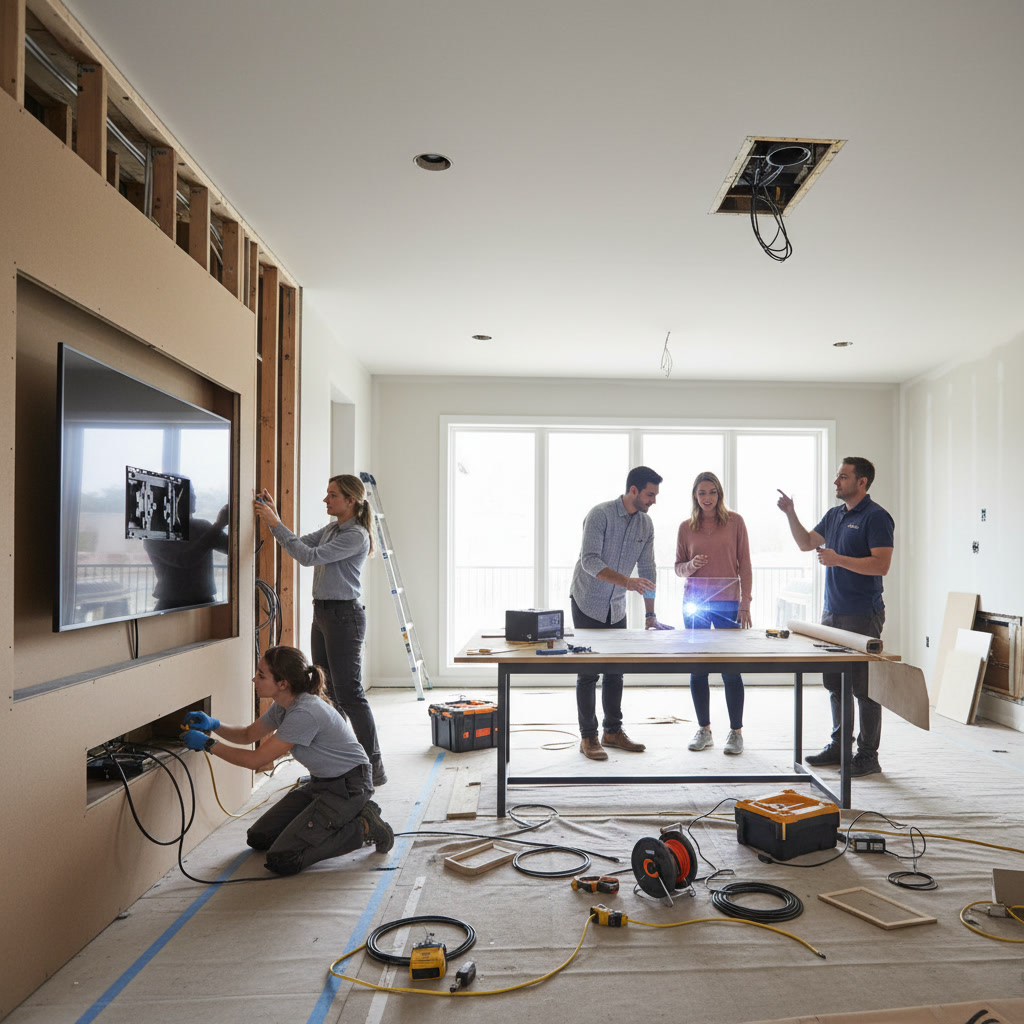
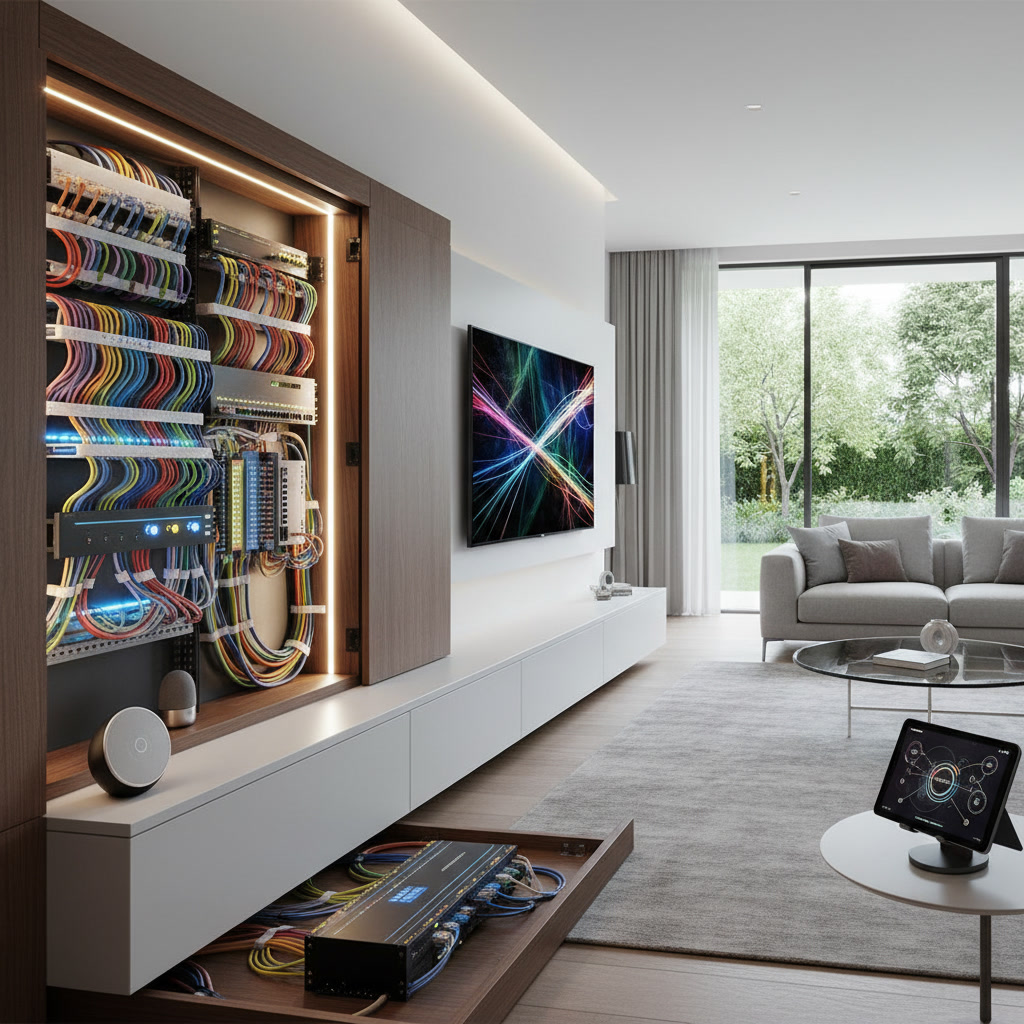
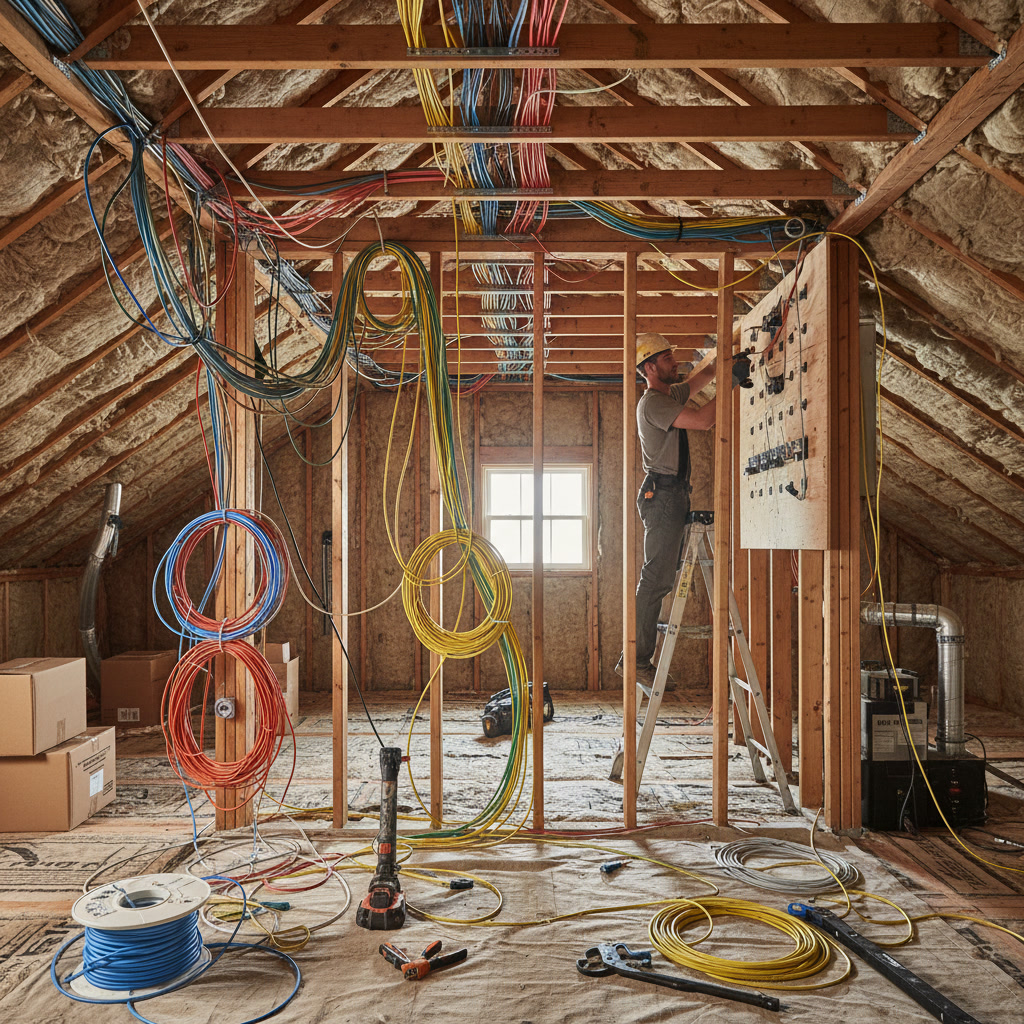
Timing matters significantly with structured wiring installation. New construction and major remodels offer the ideal window. Running cables through open walls before drywall installation costs a fraction of retrofitting finished spaces. Builders can coordinate with electricians and other trades to route cables efficiently.
Homes with specific technology requirements benefit most. If you’re planning a dedicated home theater with multiple speakers, 4K projectors, and advanced audio processing, structured wiring eliminates the cable chaos that often plagues these installations. The same applies to multi-room audio systems that deliver synchronized music throughout your property.
Large homes, particularly multi-story properties, face WiFi challenges that structured wiring solves elegantly. A single router rarely covers 3,000 square feet effectively. Rather than deploying multiple wireless access points that compete for channels, structured wiring allows strategically placed, hardwired access points that create a seamless mesh network. Homeowners across Mesa and Peoria with larger properties often find this approach delivers superior coverage.
Security-conscious homeowners installing multiple cameras benefit from PoE capabilities. Structured wiring delivers both data and power through a single cable, eliminating the need for electrical outlets near each camera location. This simplifies installation while improving reliability compared to wireless cameras that depend on battery life or nearby power sources.
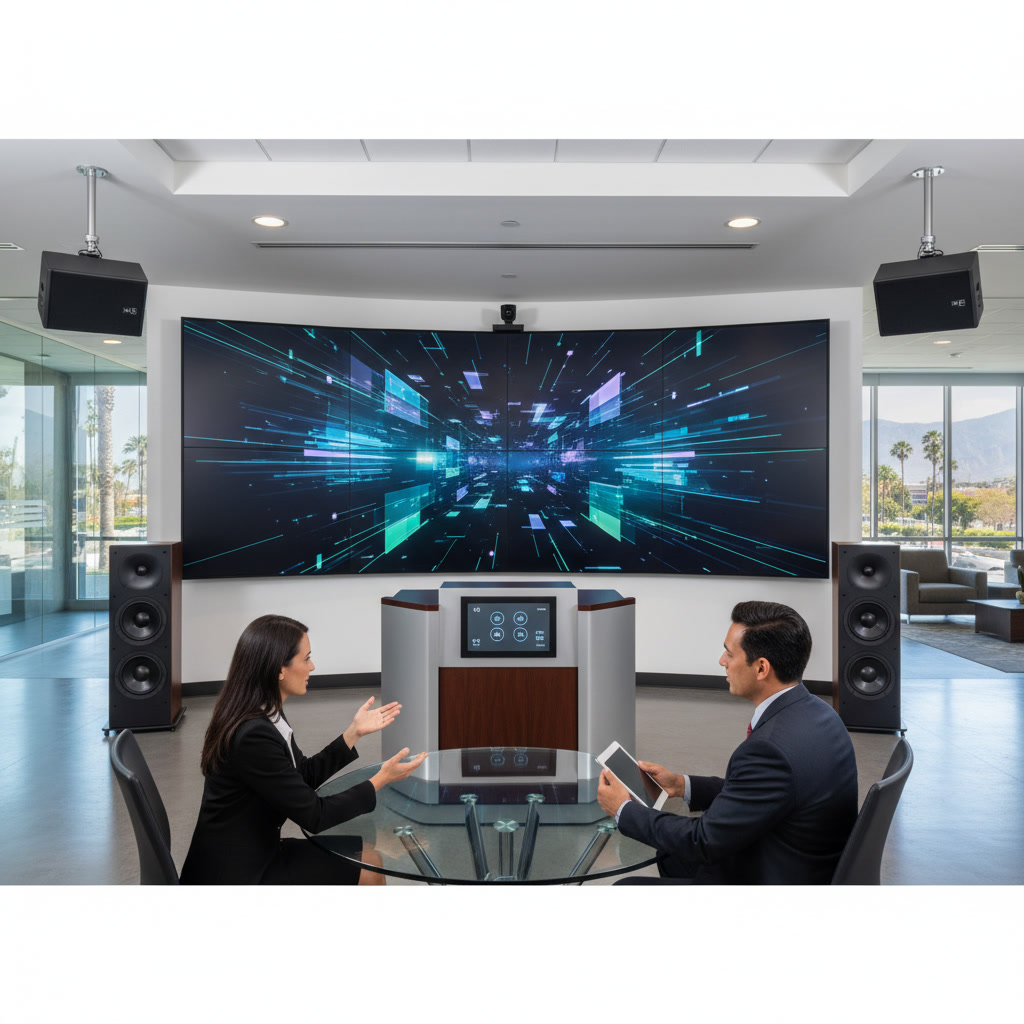
Commercial applications almost always justify structured wiring. Office buildings, retail spaces, and hospitality properties need enterprise-grade reliability that consumer wireless gear can’t match. If you’re setting up commercial space, professional commercial AV infrastructure should include comprehensive structured wiring.
Alternatives to Full Structured Wiring
Not every home requires a complete structured wiring system. Several alternatives offer varying degrees of performance and flexibility depending on your needs and budget.
Modern WiFi Solutions
WiFi 6 and WiFi 6E have dramatically improved wireless performance. These standards handle more devices simultaneously, reduce latency, and provide better speeds in crowded environments. For smaller homes under 2,000 square feet with typical smart home devices, a quality mesh WiFi system often suffices.
Mesh networks use multiple nodes to extend coverage without the dead zones that plagued older WiFi extenders. Systems from reputable manufacturers automatically route traffic through the clearest paths and handle device handoffs seamlessly as you move through your home.
The limitation remains physics. Wireless signals still degrade through walls, floors, and interference from neighboring networks. Bandwidth gets shared among all connected devices, and latency varies with network congestion. For our detailed guide on optimizing your wireless infrastructure, explore our WiFi network solutions.
Hybrid Approaches
Many homes benefit from a hybrid strategy that wires critical systems while using wireless for convenience devices. Running ethernet to key locations like the entertainment center, home office, and security camera positions provides reliability where it matters most. Less critical devices like smart bulbs, voice assistants, and sensors can operate wirelessly without issues.
This approach reduces installation costs while maintaining performance for bandwidth-intensive or latency-sensitive applications. You get the best of both worlds without the expense of wiring every room.
Powerline Networking
Powerline adapters use your home’s electrical wiring to transmit data signals. You plug one adapter near your router and another wherever you need a wired connection. The technology has improved significantly, with modern adapters supporting gigabit speeds.
Performance varies based on your electrical system’s age and layout. Circuits on different breaker phases may not communicate well. Noise from appliances can interfere with signals. Still, powerline networking offers a reasonable compromise when running new cables isn’t feasible and wireless performance disappoints.
Installation Considerations and Costs
Structured wiring installation requires careful planning and professional expertise. The process begins with a site assessment to determine cable routes, outlet locations, and distribution panel placement. Good designers consider future needs, not just current requirements.
Cable routing follows building codes and best practices. Data cables should maintain distance from electrical wiring to prevent interference. Proper labeling at both ends simplifies troubleshooting and future modifications. Professional installers test every cable run to verify performance before closing walls.
Costs vary significantly based on home size, cable quantities, and labor requirements. New construction installations typically range from 2,000 to 5,000 dollars for a comprehensive system covering a 2,500 square foot home. This includes the distribution panel, cables to six to eight rooms, and professional termination.
Retrofit installations cost more due to the difficulty of running cables through finished walls. Expect to pay 50 to 100 percent more than new construction pricing. Some homes require creative solutions like surface-mounted raceways or utilizing existing conduits to minimize wall damage.
DIY installation is possible for homeowners with electrical experience, but mistakes prove costly. Improper terminations cause intermittent connections. Poor cable management creates tangled messes inside the distribution panel. Most homeowners find that professional installation delivers better results and saves time.
Key Takeaway: Installation during new construction or major remodeling reduces costs by 40 to 60 percent compared to retrofitting finished homes. If you’re building or renovating, include structured wiring in your initial plans rather than adding it later.
Structured Wiring vs. Smart Home Requirements
The question of whether your smart home needs structured wiring depends on your specific devices and performance expectations. Basic smart home systems with thermostats, door locks, and lighting controls function fine on WiFi. These devices transmit minimal data and tolerate occasional latency.
More demanding applications benefit significantly from wired infrastructure. Streaming 4K video to multiple TVs simultaneously, operating a whole-home audio system, or running extensive security camera networks all stress wireless bandwidth. If you experience buffering, dropouts, or lag with current wireless infrastructure, structured wiring likely solves these problems.
Consider your long-term technology plans. Are you satisfied with basic smart features, or do you envision expanding to advanced automation, voice control throughout the home, and integrated entertainment systems? Your answer guides whether wireless suffices or structured wiring makes sense.
Smart device density matters too. A home with 50 connected devices pushes WiFi network capacity, especially on older routers. Each device competes for airtime, and network congestion increases. Offloading high-bandwidth devices to wired connections frees wireless capacity for devices that can’t be hardwired.
Professional smart home integrators often recommend structured wiring for any installation beyond basic automation. The infrastructure provides flexibility to grow your system without hitting wireless limitations. It also simplifies troubleshooting since wired connections eliminate wireless variables.
Making the Right Choice for Your Home
Evaluate your situation against several criteria before deciding on structured wiring. Start with your home’s construction timeline. If you’re building new or planning extensive remodeling, the decision becomes easier since installation costs remain reasonable.
Assess your current and planned technology. List every smart device, streaming service, and connected system you use or intend to add. Calculate approximate bandwidth requirements. If multiple 4K streams, video calls, gaming, and smart home devices will operate simultaneously, your network needs robust infrastructure.
Consider your home’s physical characteristics. Concrete walls, metal studs, radiant heating systems, and multi-story layouts all challenge WiFi coverage. Homes with these features benefit more from structured wiring than open-plan, single-story properties with standard wood framing.
Budget matters, but frame it as a long-term investment rather than an expense. Structured wiring installed during construction adds modest costs while delivering years of reliable performance. Compare this to repeatedly upgrading wireless equipment or troubleshooting connectivity issues. Many homeowners find the peace of mind worth the initial investment.
Think about resale value if you plan to move within 10 years. Tech-savvy buyers in markets throughout Scottsdale and Phoenix specifically seek homes with quality infrastructure. Structured wiring can differentiate your property in competitive markets.
Frequently Asked Questions
Can you add structured wiring to an existing home?
Yes, but retrofitting costs more than new construction installation due to the difficulty of accessing wall cavities. Professional installers use techniques like fishing cables through existing walls, utilizing basements or attics for horizontal runs, and sometimes using surface-mounted conduit where hidden routing isn’t feasible. The investment makes sense if you’re experiencing persistent connectivity issues or planning to stay in your home long-term.
How long does structured wiring last?
Quality structured wiring installations typically last 20 to 30 years or more. The cables themselves, particularly Cat 6 and RG6 coaxial, remain functional for decades when properly installed. You may upgrade the equipment in the distribution panel as technology evolves, but the underlying cable infrastructure rarely requires replacement. This longevity makes structured wiring a sound long-term investment.
Is structured wiring necessary for a home theater?
While not absolutely necessary, structured wiring significantly improves home theater performance and simplifies installation. Running HDMI over ethernet extenders, distributing audio to multiple speakers, and connecting streaming devices all benefit from dedicated cabling. The clean appearance and reliable performance justify the investment for serious home theater installations. Our experience with home theaters consistently shows that proper infrastructure enhances the viewing experience.
What is the difference between Cat 6 and Cat 6a cable?
Cat 6 cable supports 10 Gbps speeds up to 55 meters and 1 Gbps up to 100 meters, which satisfies most residential needs. Cat 6a extends 10 Gbps performance to the full 100-meter distance and provides better shielding against interference. For new installations, Cat 6a costs slightly more but offers superior future-proofing. The performance difference matters most in commercial applications or homes with very long cable runs.
Can structured wiring support Power over Ethernet devices?
Yes, structured wiring built with Cat 5e or higher cable supports PoE and PoE+ standards. This capability allows you to power security cameras, wireless access points, VoIP phones, and other compatible devices through the data cable, eliminating separate power supplies. Your network switch or PoE injector in the distribution panel provides the power. This feature particularly benefits security installations where camera locations may lack convenient electrical outlets.
Building a Connected Home the Right Way
Understanding what is structured wiring helps you make informed decisions about your home’s technology infrastructure. While wireless solutions work for basic smart home needs, structured wiring delivers the reliability, speed, and flexibility that demanding applications require. The best choice depends on your specific situation, technology plans, and budget.
For homes in the planning or renovation stage, structured wiring offers exceptional value. The infrastructure virtually disappears into your walls while providing decades of reliable service. Even in existing homes, targeted wired connections to critical areas can solve persistent connectivity problems.
Pro Home Entertainment LLC helps homeowners throughout the Phoenix area design and install structured wiring systems tailored to their needs. Whether you’re building a dedicated home theater, upgrading your smart home capabilities, or simply tired of WiFi dead zones, professional infrastructure makes the difference. Call +12068194038 to discuss your project, or visit our contact page to schedule a consultation. We’ll help you determine whether structured wiring makes sense for your home and create a solution that delivers reliable performance for years to come.