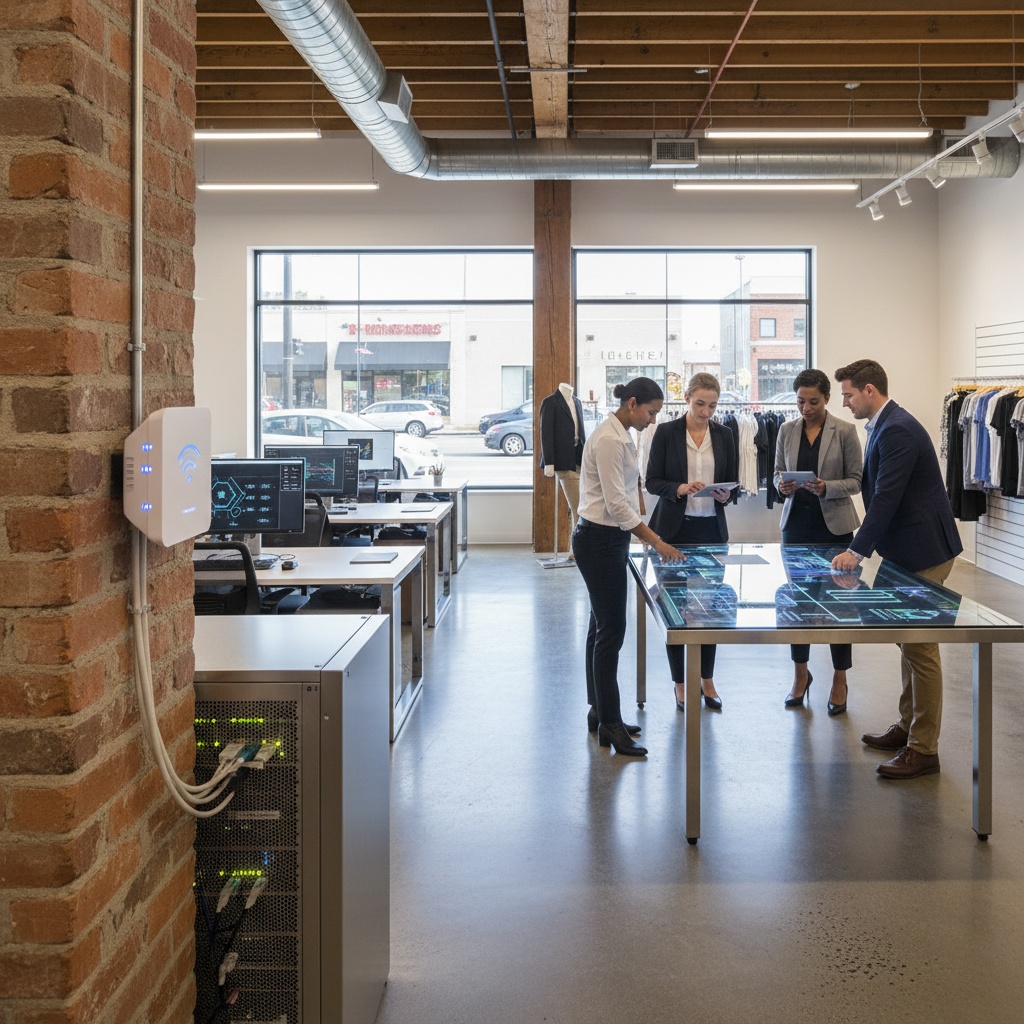
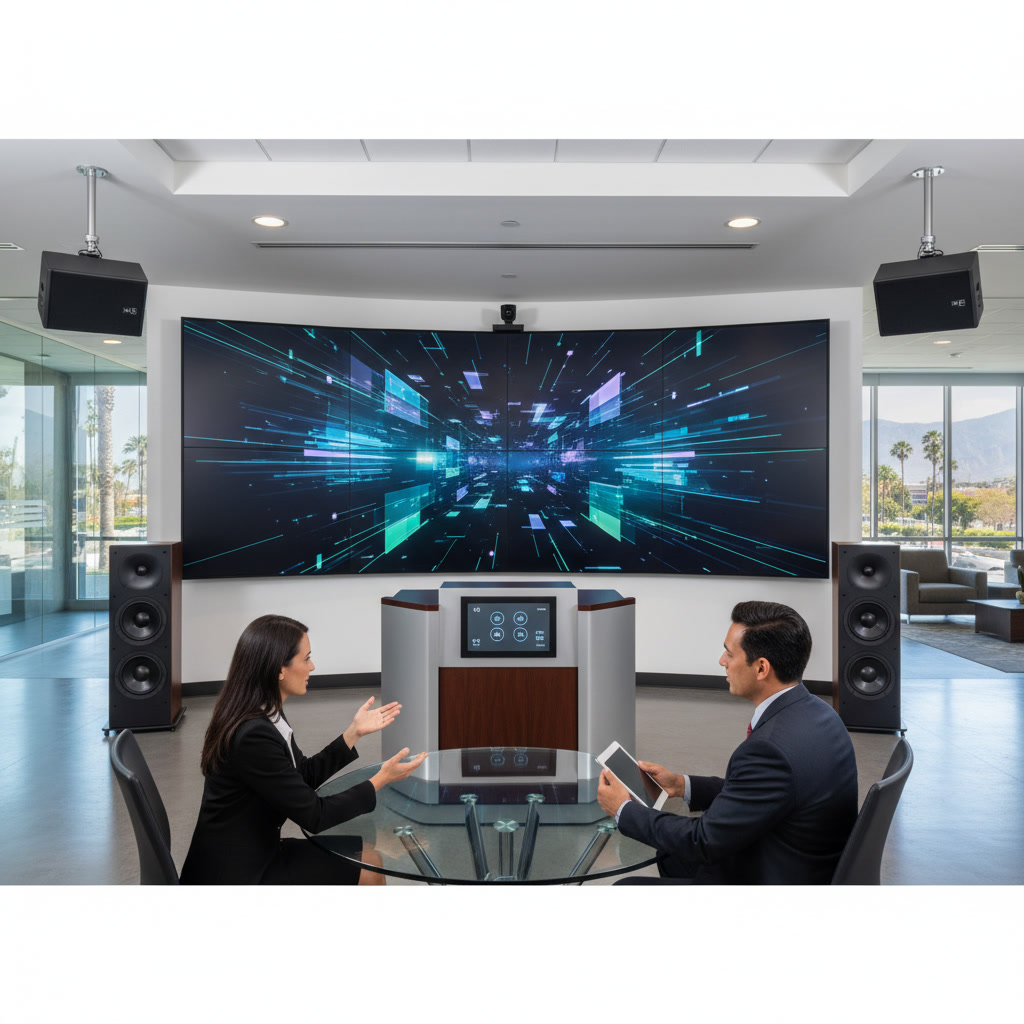
Your conference room presentations freeze mid-pitch. Your retail displays fail to capture attention. Your restaurant guests can’t hear the music over background noise. These aren’t just annoyances. They cost you customers, credibility, and revenue. Understanding what is commercial AV and how it solves these problems can transform your Glendale business operations.
Commercial audiovisual technology encompasses the professional-grade equipment and systems businesses use to communicate, entertain, and inform. From boardroom displays and sound systems to digital signage and video conferencing, commercial AV creates seamless experiences that residential equipment simply can’t match.
This guide explains exactly what commercial AV includes, which Glendale businesses benefit most, and how to choose the right solutions for your specific needs.
Understanding Commercial AV Systems
Commercial AV refers to professional audiovisual equipment designed for business environments. Unlike consumer-grade systems, commercial installations prioritize reliability, scalability, and integration with existing business infrastructure.
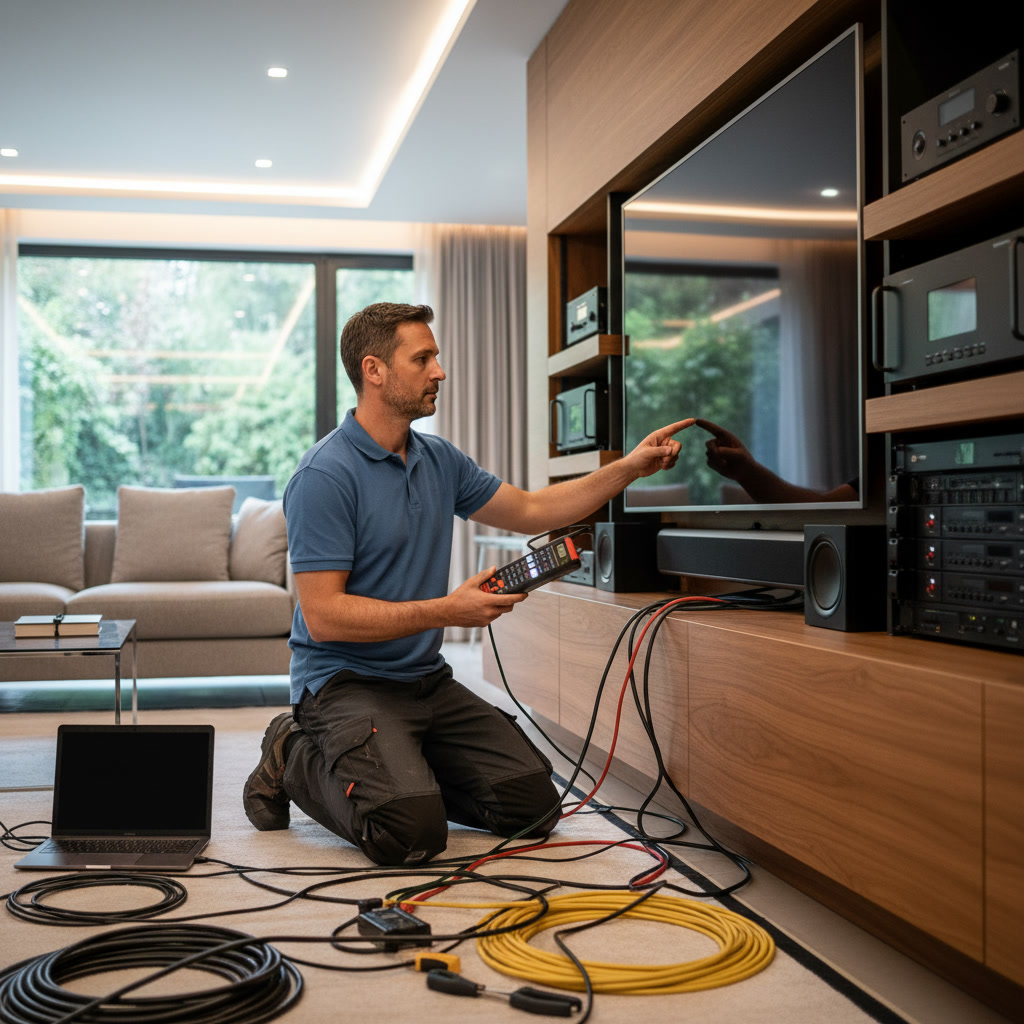
The core components include display systems like LED walls and commercial-grade monitors, audio equipment such as ceiling speakers and microphones, video conferencing tools, control systems that manage multiple devices, and network infrastructure to support it all. Each piece works together to create a cohesive environment tailored to your business goals.
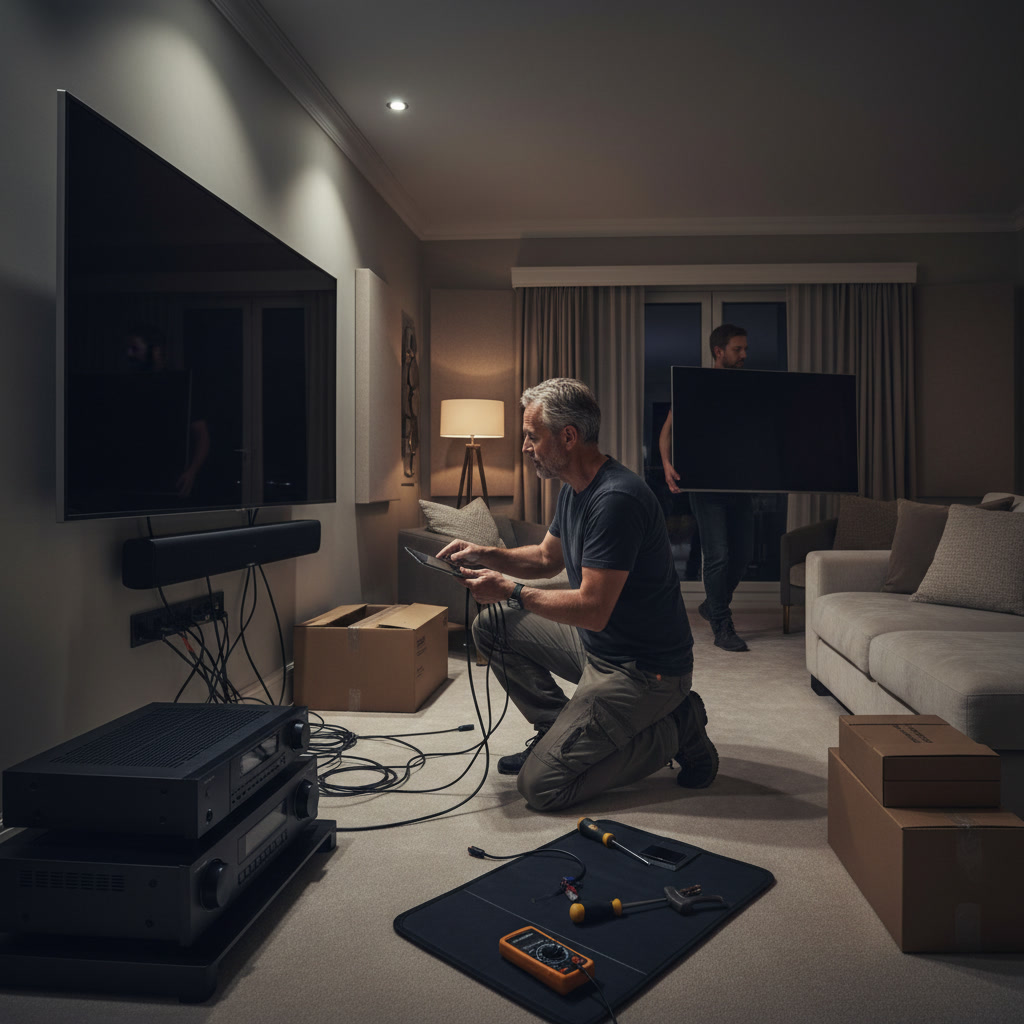
Most commercial AV systems require professional installation and ongoing support. The equipment runs for 12 to 16 hours daily in many businesses, demanding durability that consumer products lack. Warranties, service agreements, and technical support become critical factors.
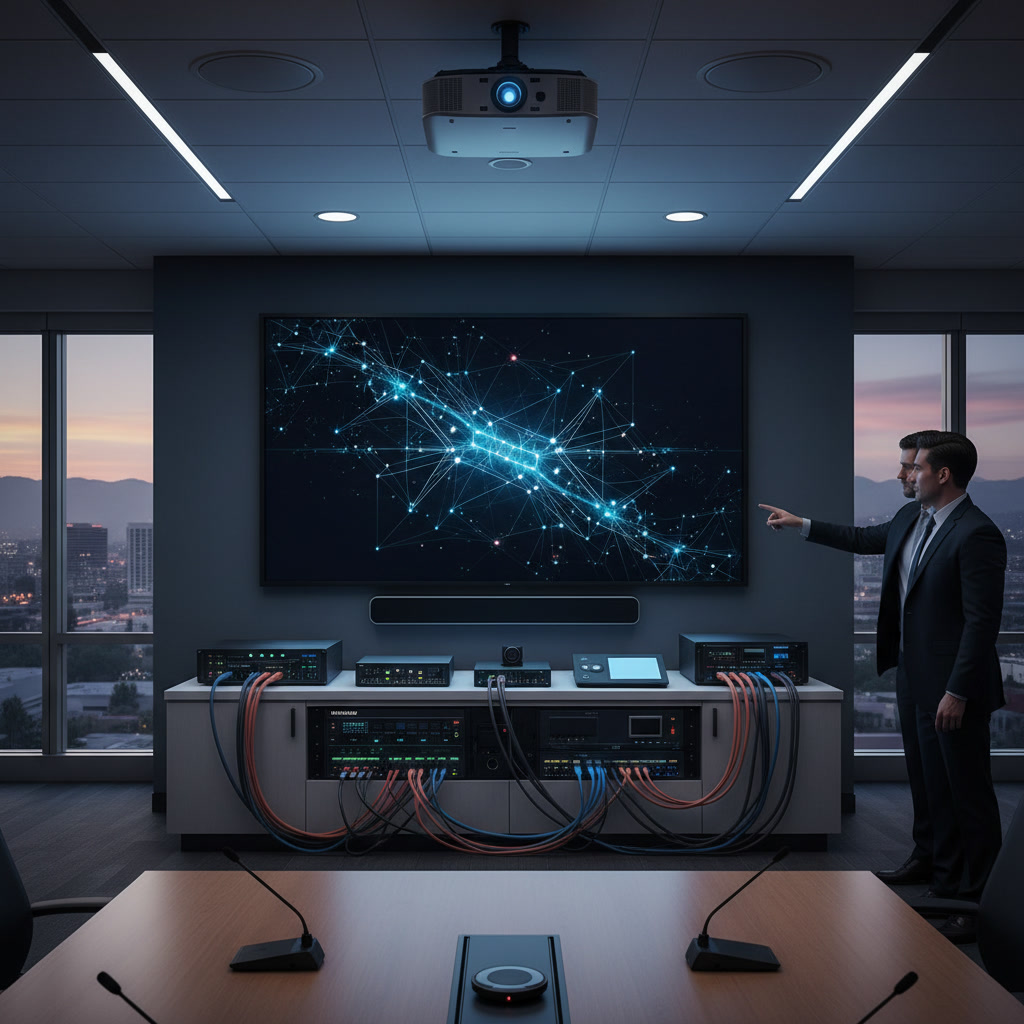
What separates commercial from residential systems isn’t just price. Commercial displays resist burn-in from static images. Commercial speakers handle constant use without degradation. Control systems allow staff to operate complex setups with a single button press. These features justify the investment for businesses that depend on reliable performance.
Businesses That Benefit Most from Commercial AV
Not every business needs the same AV infrastructure. However, certain industries in Glendale see immediate returns from professional audiovisual installations.
Corporate Offices and Professional Services
Law firms, accounting offices, consulting agencies, and corporate headquarters rely on Commercial AV for client presentations and internal collaboration. Conference rooms need crisp displays, clear audio for remote participants, and intuitive controls that don’t require IT support for every meeting.
A typical setup includes 65 to 85-inch displays, ceiling-mounted microphones, high-definition cameras, and touch-panel controls. Integration with platforms like Zoom, Microsoft Teams, and Google Meet ensures compatibility with client systems. Our article on the commercial conference room AV equipment checklist covers essential components for small business meeting spaces.
Restaurants and Hospitality Venues
Restaurants, bars, hotels, and event spaces use commercial AV to create ambiance and entertainment. Multi-zone audio systems let you play different music in the dining room, bar, and patio. Commercial displays show sports without glare or washed-out images in bright spaces.
Digital menu boards update instantly across locations. Background music systems integrate with licensing services to keep you compliant. Outdoor speakers withstand Arizona heat and monsoon weather. These systems run continuously, making reliability non-negotiable.
Retail and Showrooms
Retail stores use digital signage to promote products, guide customers, and reinforce branding. Car dealerships, furniture showrooms, and boutiques create immersive experiences with coordinated displays and audio.
A well-designed retail AV system includes content management software that updates displays remotely, scheduled programming that changes throughout the day, and analytics that track engagement. The goal is seamless integration that enhances shopping without overwhelming customers.
Healthcare Facilities
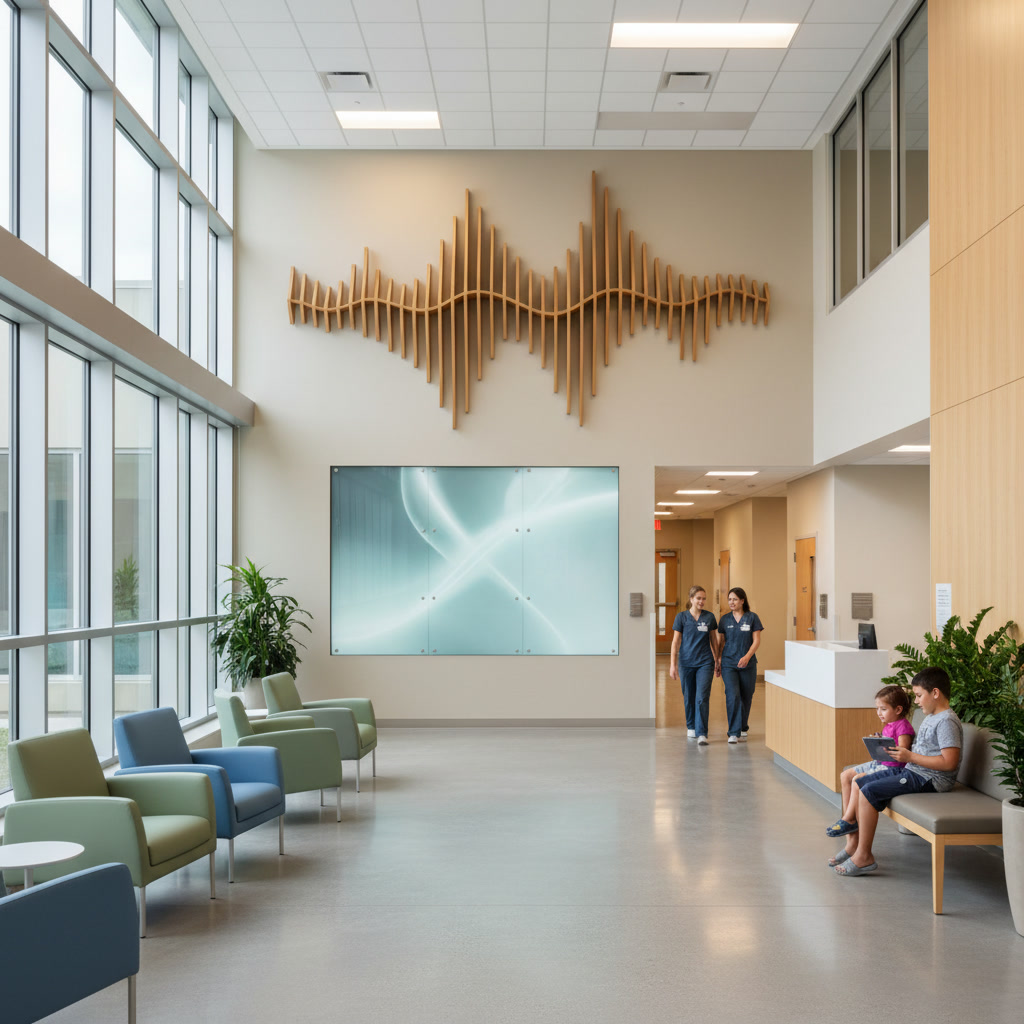
Medical offices, dental practices, and urgent care clinics use AV for patient education, waiting room entertainment, and staff training. HIPAA-compliant video conferencing enables telehealth appointments. Digital signage communicates wait times and health information.
Healthcare environments demand clean installations with minimal visible wiring, quiet operation, and sanitizable equipment. Systems must integrate with existing medical software and maintain patient privacy.
Houses of Worship and Community Centers
Churches, synagogues, and community spaces need AV systems that serve diverse functions. Live-streaming services, recording sermons, and displaying lyrics or presentations all require professional equipment.
These venues often have challenging acoustics and large spaces to cover. Line array speakers, wireless microphones, and projection systems sized for the room ensure everyone can see and hear clearly. Many organizations also need recording capabilities for online audiences.
Educational and Training Facilities
Private schools, training centers, and corporate education spaces rely on AV for effective instruction. Interactive displays, document cameras, and sound reinforcement help instructors reach every student.
Modern training rooms need hybrid capabilities that serve in-person and remote learners simultaneously. This requires cameras that automatically track speakers, microphones that isolate voices, and displays visible from any seat.
Key Components of a Commercial AV System
Understanding what is commercial AV means knowing the building blocks that create functional systems. Each component serves a specific purpose and must integrate with the others.
Display Technology
Commercial displays include flat-panel monitors, LED video walls, projectors, and outdoor-rated screens. They offer higher brightness levels (typically 500 to 700 nits compared to 200 to 300 for consumer TVs), longer warranties (three to five years versus one year), and portrait or landscape orientation options.
LED walls create seamless large-format displays without bezels. They work well in lobbies, retail spaces, and venues where impact matters. Projectors suit large conference rooms and auditoriums where screen size exceeds practical flat-panel dimensions.
Audio Systems
Professional audio includes ceiling speakers, soundbars, line arrays, subwoofers, amplifiers, and digital signal processors. The goal is even coverage without dead spots or overwhelming volume.
Commercial speakers mount flush with ceilings or walls for clean aesthetics. They connect to centralized amplifiers that power multiple zones. Digital signal processors optimize sound for room acoustics and compensate for background noise.
For businesses across the Phoenix metro area, including Scottsdale and Peoria, proper audio design accounts for HVAC noise and hard surfaces common in commercial spaces.
Video Conferencing Equipment
Remote collaboration requires cameras, microphones, speakers, and codec hardware. Professional systems use PTZ (pan-tilt-zoom) cameras that frame participants automatically, beamforming microphones that focus on active speakers, and echo cancellation that prevents feedback.
These systems integrate with room scheduling software, join meetings automatically at scheduled times, and provide one-touch operation. No more fumbling with laptop connections or troubleshooting audio issues during important calls.
Control Systems
Control interfaces tie everything together. Touch panels mounted on walls or tables let users power on displays, select sources, adjust volume, and control lights and shades without technical knowledge.
Advanced systems use automation to simplify operations. Walk into a conference room and the lights dim, shades close, and the display powers on. Leave and everything shuts down to save energy. This level of integration requires professional programming and quality hardware.
Network Infrastructure
Modern commercial AV relies on network connectivity. Streaming video, digital signage content, and control signals all travel over IP networks. This requires sufficient bandwidth, proper network segmentation, and reliable Wifi Network Solutions to prevent bottlenecks.
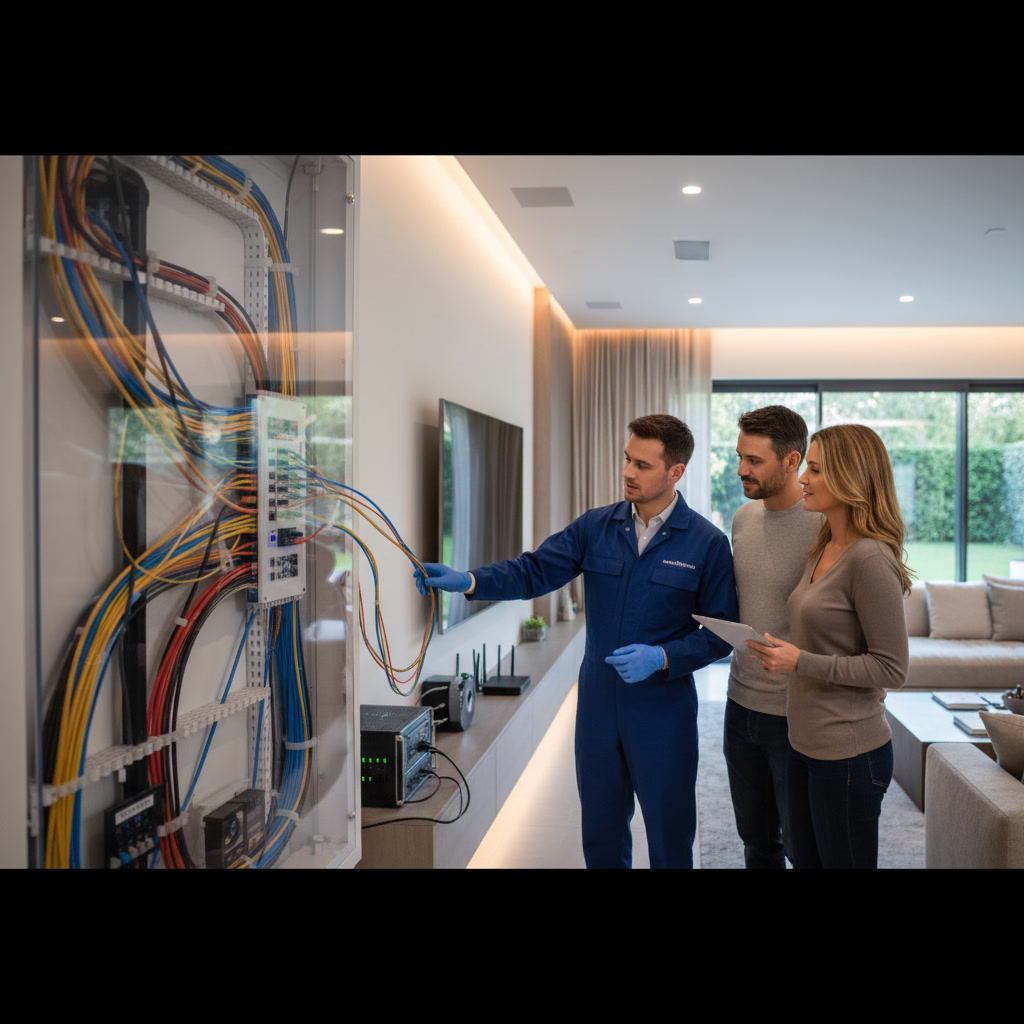
Professional installations include managed network switches, structured cabling, and redundant paths for critical systems. Your AV investment fails without proper network support.
How Commercial AV Differs from Residential Systems
You might wonder why a business can’t simply use consumer equipment. The differences become clear when you examine use cases and expectations.
Commercial gear operates eight to sixteen hours daily, five to seven days per week. Residential equipment typically runs a few hours per day. Failure rates reflect this difference. A consumer TV rated for 60,000 hours might last eight years at home but only three years in a business setting.
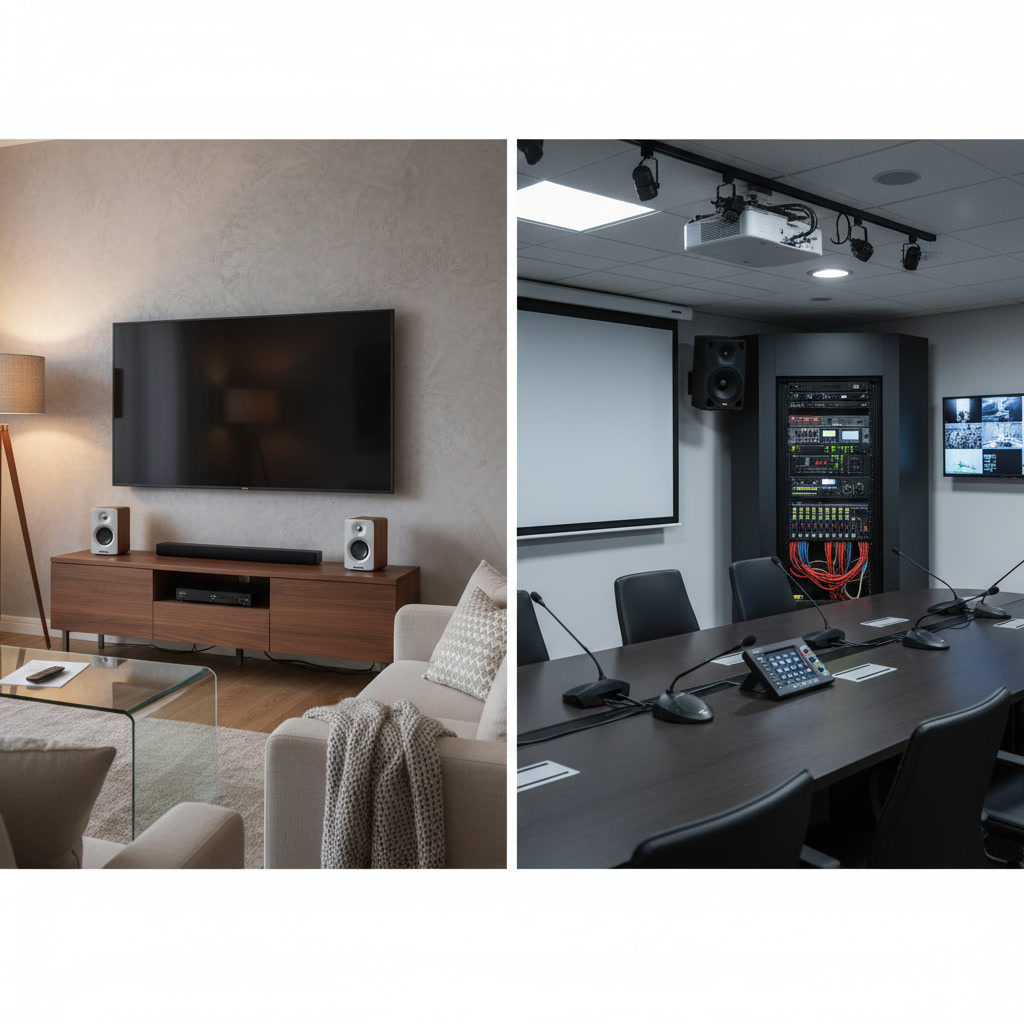
Warranty and support also differ. Commercial products include three to five-year warranties with next-business-day replacement. Consumer warranties rarely exceed one year. When your business presentation system fails, you need immediate solutions, not a two-week repair process.
Integration capabilities matter too. Commercial systems use control protocols like RS-232, IP, and Dante audio networking. Consumer products often lack these interfaces. You can’t effectively integrate a consumer soundbar into a multi-room audio system or control a consumer TV from a central touch panel.
Aesthetics and installation flexibility round out the differences. Commercial displays mount in portrait orientation, tile together for video walls, and offer slim bezels. Commercial speakers install flush with ceilings and paint to match decor. These options don’t exist in consumer lines.
Pro Tip: Budget for professional installation and programming when planning commercial AV projects. Equipment costs typically represent 60 to 70 percent of total project expenses, with labor and programming filling the remainder. Cutting corners on installation compromises system performance and longevity.
Choosing the Right Commercial AV Partner in Glendale
Selecting an AV contractor determines your project’s success. The right partner brings expertise, reliability, and ongoing support that extends system life and maximizes your investment.
Look for contractors with manufacturer certifications. Brands like Crestron, Extron, Shure, and QSC certify installers who complete training and demonstrate competency. Certified installers access technical support, warranty services, and product updates that uncertified contractors can’t provide.
Review past projects similar to yours. A contractor experienced in Glendale commercial installations understands local building codes, common challenges, and vendor relationships that smooth project execution. Ask for references and visit completed installations when possible.
Clarify service and support terms before signing contracts. Who responds to service calls? What’s the response time? Are software updates included? How long does warranty coverage last? These questions reveal whether a contractor views your project as a one-time sale or an ongoing partnership.
Pro Home Entertainment LLC serves businesses throughout Glendale and surrounding areas including Phoenix and Surprise. The company’s commitment to safety, reliability, and trust means you get systems designed for long-term performance, not just quick installations.
Cost Considerations for Commercial AV Projects
Commercial AV budgets vary widely based on room size, equipment selection, and complexity. Understanding cost drivers helps you plan realistically.
A basic conference room with a 75-inch display, soundbar, and simple video conferencing might range from $5,000 to $10,000. Mid-range rooms with commercial displays, ceiling audio, PTZ cameras, and control systems typically cost $15,000 to $35,000. High-end boardrooms with video walls, advanced audio, and automation can exceed $100,000.
Retail and restaurant installations depend on coverage area and zone count. A small restaurant might spend $8,000 to $15,000 on a multi-zone audio system. Large venues with multiple displays, outdoor audio, and digital signage can invest $50,000 or more.
Don’t overlook ongoing costs. Network bandwidth, content subscriptions, music licensing, and maintenance agreements add recurring expenses. Plan for software updates and eventual equipment replacement, typically on a seven to ten-year cycle for displays and five to seven years for control systems.
Return on investment comes from improved communication, enhanced customer experience, and operational efficiency. A restaurant that fills more seats because of better ambiance, or a law firm that wins clients with polished presentations, quickly recovers AV costs.
Common Commercial AV Challenges and Solutions
Even well-designed systems face challenges. Anticipating common issues helps you avoid frustration and downtime.
Network congestion affects streaming video and digital signage. Solution: dedicated VLANs for AV traffic and quality of service (QoS) rules that prioritize AV data. Your network infrastructure must handle peak loads without buffering or dropouts.
User complexity frustrates employees who just want to start a meeting. Solution: simplified control interfaces with one-touch operation. Good design hides complexity behind intuitive buttons labeled “Start Meeting” or “Show Laptop.”
Acoustic problems plague rooms with hard surfaces and poor layout. Solution: acoustic treatments like ceiling clouds, wall panels, and carpet reduce echo and reverberation. Professional audio design compensates for room characteristics through speaker placement and digital signal processing.
Compatibility issues arise when businesses use multiple platforms (Zoom, Teams, WebEx). Solution: platform-agnostic systems that work with any software through HDMI and USB connections. Avoid proprietary systems locked to single platforms.
Future expansion gets expensive if systems aren’t scalable. Solution: plan for growth during initial design. Install extra conduit and outlets, spec amplifiers with unused channels, and choose control systems that add rooms through software licensing rather than hardware replacement.
Frequently Asked Questions
How long does commercial AV equipment typically last?
Commercial displays last seven to ten years with proper maintenance. Audio equipment often exceeds ten years. Control systems require updates every five to seven years as software and protocols evolve. Regular maintenance, firmware updates, and prompt repairs extend equipment life significantly compared to neglected systems.
Can I install commercial AV equipment myself to save money?
While technically possible, professional installation ensures proper configuration, integration, and warranty coverage. DIY installations often result in performance issues, compatibility problems, and voided warranties. The labor savings rarely justify the risks, especially for systems exceeding a few thousand dollars in equipment cost.
What’s the difference between commercial AV and IT support?
Commercial AV specialists focus on audiovisual equipment, user experience, and content delivery. IT departments manage networks, computers, and data security. The lines blur with networked AV systems, but AV contractors bring specialized knowledge of audio, video, and control systems that IT generalists typically lack. Best results come from collaboration between both teams.
Do I need a service agreement for commercial AV systems?
Service agreements provide preventive maintenance, priority support, and discounted repairs. They’re recommended for mission-critical systems where downtime costs money or damages reputation. Basic systems in non-critical applications might not justify service contracts, but businesses relying on AV for daily operations benefit from guaranteed response times and regular maintenance.
How do I know what size display my business needs?
Display size depends on viewing distance and room layout. A general rule suggests one inch of screen diagonal per foot of viewing distance. A conference room with a 12-foot viewing distance needs at least a 72-inch display. Larger rooms, wide seating arrangements, and detailed content (spreadsheets, CAD drawings) require bigger displays or multiple screens.
Planning Your Commercial AV Project
Successful projects start with clear goals. Define what you want to accomplish before discussing equipment. Do you need to improve presentations, enhance customer experience, enable remote collaboration, or create branded environments? Your objectives drive equipment selection and system design.
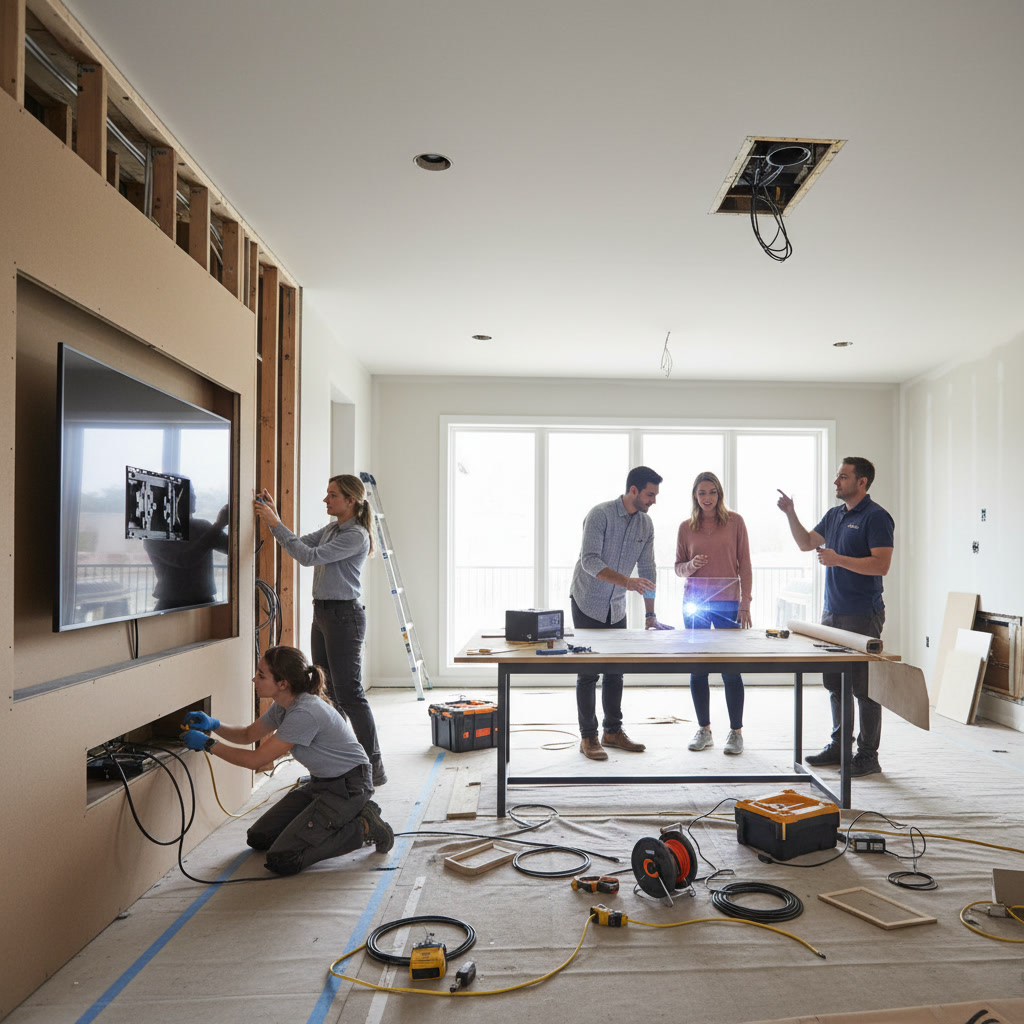
Involve stakeholders early. Talk to employees who will use the systems daily. They understand pain points and workflow requirements that executives might miss. User input prevents expensive redesigns after installation.
Create a realistic timeline. Simple installations take two to four weeks from design to completion. Complex projects span two to four months. Factor in equipment lead times, construction coordination, and programming time. Rushing projects compromises quality.
Plan for training. The most sophisticated system fails if users can’t operate it. Good contractors provide hands-on training, quick-reference guides, and follow-up support. Budget time for staff to learn new equipment before critical events or presentations.
Pro Home Entertainment LLC designs and installs commercial AV systems for businesses throughout the greater Phoenix area. Whether you operate in Glendale or surrounding communities, professional audiovisual solutions transform how you communicate and serve customers.
Understanding what is commercial AV and how it benefits your specific business type helps you make informed decisions about technology investments. The right system improves operations, impresses clients, and delivers returns that justify the initial expense. Professional design, quality equipment, and expert installation ensure your AV infrastructure serves your business for years to come.
Ready to upgrade your business with professional commercial AV? Pro Home Entertainment LLC brings expertise in audiovisual systems to businesses across Glendale and the Phoenix metropolitan area. Contact us at +12068194038 to discuss your commercial AV needs and schedule a consultation. We’ll help you design a system that matches your goals, budget, and timeline.